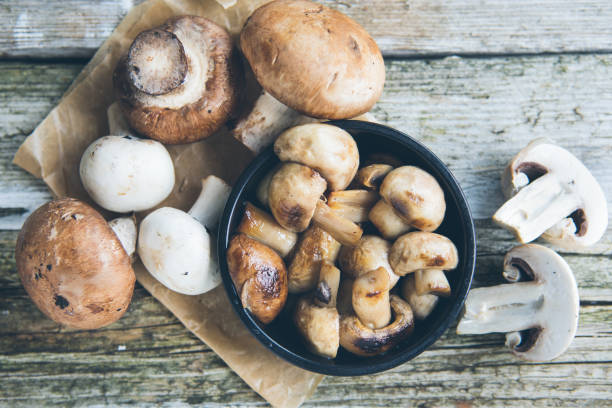
For most home cooks, “mushroom” means one of two things: the small white button variety, or the slightly larger, browner chestnut version sitting next to it in the supermarket. Both are perfectly good, versatile ingredients, but they only scratch the surface of what’s actually available. Beyond the standard shelf, there’s a much wider world of gourmet mushroom varieties, each with distinct textures, flavours, and best uses in the kitchen. If you’ve been cooking with the same one or two types for years, it might be time to branch out.
1. Lion’s Mane
Lion’s Mane is instantly recognisable: a large, shaggy white mushroom that looks more like a pom-pom or a small animal than a typical fungus. Beneath that unusual appearance is a texture that’s genuinely surprising, dense, slightly springy, and often compared to crab or lobster meat once cooked, which has made it a popular choice among cooks looking for a meat-alternative with real bite.
The best way to prepare Lion’s Mane is to tear it into rough chunks by hand rather than slicing it with a knife, which helps preserve its natural texture and creates more surface area for browning. A simple approach is to pan-fry the pieces in butter over medium-high heat until deeply golden on the outside, seasoning simply with salt, pepper, and perhaps a squeeze of lemon at the end. It also holds up well in tacos, sandwiches, or served over rice as a hearty vegetarian main.
2. King Oyster Mushrooms
King oyster mushrooms are known for their thick, meaty stems, which make up the majority of the mushroom and hold their shape and texture even under high heat. This density is exactly what makes them so popular in vegetarian and vegan cooking: sliced into rounds and seared, they develop a texture and appearance often compared to scallops, while sliced lengthways and grilled or roasted, they take on a chewy, almost steak-like quality.
Because their flavour is relatively mild, king oysters are excellent at absorbing marinades. A soy, garlic, and sesame oil marinade left to sit for 20 to 30 minutes before grilling or pan-searing produces a deeply savoury result. They’re also a strong choice for skewers, since their firm texture means they won’t fall apart on the grill the way more delicate mushrooms might.
3. Shiitake
Shiitake mushrooms are probably the most familiar variety on this list, widely used in East Asian cooking for centuries and now a common feature in Western kitchens too. Fresh shiitake has a rich, slightly smoky, umami-forward flavour that’s noticeably more intense than button or chestnut varieties, along with a firmer, meatier texture.
The stems are considerably tougher than the caps and are generally best removed before cooking and saved for stock, where their flavour still has plenty to contribute even though their texture isn’t pleasant to eat directly. The caps themselves work well sliced into stir-fries, simmered in broths and noodle soups, or simply pan-fried whole with a touch of soy sauce and garlic until they develop crisp, caramelised edges.
4. Oyster Mushrooms (Blue, Pink, and Yellow)
Oyster mushrooms grow in delicate, fan-shaped clusters and come in a striking range of colours, from soft grey-blue to vivid pink and bright yellow, depending on the variety. Beyond their visual appeal, they share a delicate, slightly sweet flavour and a tender texture that cooks down quickly, making them one of the more forgiving varieties for anyone newer to cooking with less common mushrooms.
Because they’re delicate, oyster mushrooms are best cooked quickly over high heat, torn into smaller clusters and sautéed for just a few minutes until lightly golden. They’re particularly well suited to stir-fries, where their quick cooking time and mild flavour let them absorb whatever sauce or seasoning they’re paired with, and they also crisp up nicely when lightly battered and fried, offering a texture not unlike that of well-cooked calamari.
5. Maitake (Hen of the Woods)
Maitake, sometimes known by its evocative common name “hen of the woods,” grows in large, ruffled clusters that resemble overlapping feathers. It has an earthy, woodsy flavour that’s more pronounced than many other gourmet varieties, along with a texture that becomes wonderfully crisp at the edges when roasted or pan-fried, while staying tender at the base of the cluster.
Maitake is particularly well suited to roasting: tossed in oil, salt, and pepper, then spread out on a baking tray and roasted at a high temperature until the edges turn deep golden brown and crisp. It also works well torn into smaller pieces and added to risottos or grain bowls, where its texture provides contrast against softer ingredients.
Getting the Most Out of Gourmet Varieties
A common thread across all five of these varieties is that they reward slightly different handling than the standard button mushroom. Most benefit from being torn rather than sliced, cooked in a single layer rather than crowded in the pan, and given enough heat to properly brown rather than simply steam in their own moisture. Because gourmet varieties often have more distinctive flavours and textures than button mushrooms, they also tend to work well as the star of a dish rather than a background ingredient, whether that’s a Lion’s Mane “steak,” a tray of roasted maitake, or a bowl of shiitake noodle soup.
One practical consideration is sourcing. Gourmet varieties aren’t always available at every supermarket, and when they are, they can sometimes have been sitting on shelves for longer than ideal, which affects both texture and flavour. Seeking out a fresh mushroom specialist that harvests to order tends to produce noticeably better results, since these varieties in particular lose quality quickly once picked, and freshness has a real, tasteable impact on the final dish.
Final Thoughts
Branching out from button and chestnut mushrooms opens up a genuinely different range of textures and flavours in the kitchen, from the crab-like bite of Lion’s Mane to the smoky depth of shiitake. Each variety has its own quirks worth understanding, but none of them require particularly advanced techniques, just a willingness to treat mushrooms as more than a background ingredient. Once you start cooking with a wider range of varieties, it’s difficult to go back to relying on just one or two.