In large-scale development projects, the foundation determines the stability, durability, and long-term performance of a structure, which is why commercial construction companies Melbourne prioritise advanced footing systems as a critical part of their construction strategy. Commercial projects often involve complex designs, heavy loads, and challenging site conditions, making it essential to use foundation solutions that ensure reliability and efficiency.
Footing systems serve as the base of a structure, distributing loads evenly and preventing settlement or structural failure. In commercial construction, where safety and longevity are key considerations, selecting the right footing approach is essential for achieving successful outcomes.
Understanding The Role Of Footing Systems In Commercial Construction
Footings are structural elements that transfer the weight of a building to the ground. They are designed to provide stability by distributing loads across a larger area, reducing pressure on the soil.
In commercial projects, footings must be capable of supporting significant loads while accommodating the design and layout of the structure. This requires careful planning and engineering to ensure that the footing system meets all requirements.
Types Of Footing Systems Used In Commercial Projects
There are various types of footing systems used in commercial construction, each suited to different conditions. These include strip footings, pad footings, raft slabs, and pile-supported footings.
The choice of footing system depends on factors such as soil conditions, load requirements, and project specifications. Advanced systems are often used in commercial projects to address complex challenges and ensure stability.
Applications Across Commercial Developments
Footing systems are used in a wide range of commercial projects, including office buildings, retail centres, industrial facilities, and infrastructure developments. Each project has unique requirements that influence the design of the footing system.
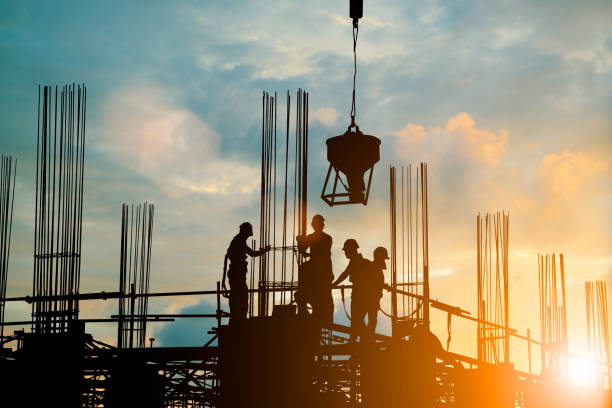
In high-rise buildings, footings must support vertical loads and resist environmental forces such as wind. In industrial facilities, they must accommodate heavy machinery and dynamic loads.
Enhancing Structural Stability And Safety
The primary function of a footing system is to provide stability and ensure that the structure remains secure over time. Properly designed footings prevent issues such as settlement, tilting, or cracking.
Safety is a key consideration in commercial construction, and reliable footing systems play a critical role in maintaining structural integrity. This ensures that buildings meet safety standards and perform as expected.
Durability And Long-Term Performance
Commercial structures are designed to last for decades, making durability an essential factor in footing design. High-quality materials and construction techniques ensure that footings can withstand environmental conditions and long-term use.
Durable footing systems reduce the need for maintenance and repairs, contributing to the overall reliability of the structure.
Engineering And Soil Analysis Considerations
Designing footing systems requires detailed analysis of soil conditions, load requirements, and environmental factors. Soil testing helps determine the appropriate type and depth of footings.
Engineers use this information to create designs that ensure stability and performance. Proper analysis is essential for avoiding issues during construction and throughout the life of the structure.
Efficiency And Project Management Benefits
Advanced footing systems contribute to efficient construction processes by providing a stable base for subsequent work. This allows other stages of the project to proceed without delays.
Efficient foundation work supports overall project timelines and helps ensure that construction is completed on schedule. This is particularly important in commercial projects where time is a critical factor.
Cost Efficiency And Risk Reduction
Investing in high-quality footing systems helps reduce the risk of structural issues, which can lead to costly repairs or delays. By ensuring stability from the outset, construction companies can avoid potential problems.
Cost efficiency is achieved through reduced maintenance, fewer disruptions, and improved long-term performance. This makes advanced footing systems a practical choice for commercial projects.
Integration With Modern Construction Practices
Modern commercial construction relies on advanced technologies and engineering methods. Footing systems are designed to integrate with these practices, ensuring compatibility and efficiency.
This integration supports innovation and allows construction companies to meet the demands of complex projects. It ensures that footing systems remain effective in evolving construction environments.
Conclusion
Commercial construction companies in Melbourne rely on advanced footing systems to ensure structural stability, safety, and long-term performance. By incorporating careful design, engineering analysis, and efficient construction techniques, these systems provide a reliable foundation for complex projects. With proper planning and execution, footing systems play a critical role in the success of commercial construction.