The automotive industry is entering a new era where artificial intelligence is no longer limited to dashboards and infotainment systems. A growing concept known as “Physical AI” is set to redefine how cars are built, driven, and experienced, pushing vehicles beyond software into intelligent, real-world machines.
What Is Physical AI in Cars?
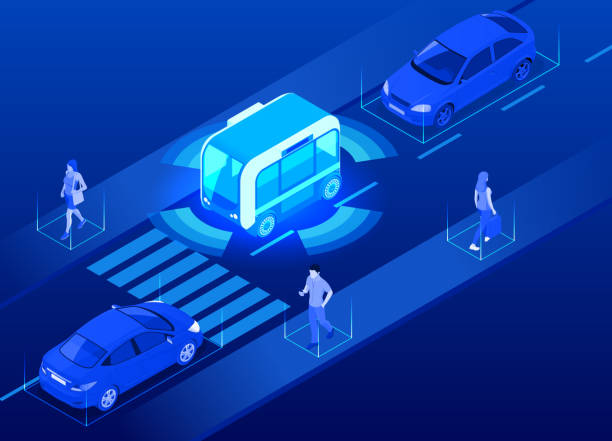
Physical AI refers to artificial intelligence systems that interact directly with the physical world. In cars, this means AI controlling and learning from sensors, cameras, radar, steering, braking, and motion systems—not just running apps or voice assistants.
Unlike traditional software, Physical AI allows vehicles to perceive their surroundings, make decisions, and adapt in real time.
From Smart Features to Intelligent Vehicles
Automakers and tech companies are rapidly expanding AI’s role in vehicles:
-
Advanced driver-assistance systems (ADAS) are becoming more autonomous and predictive.
-
AI helps vehicles understand complex traffic environments, road conditions, and driver behavior.
-
Cars are evolving into software-defined platforms, capable of improving through updates rather than hardware changes alone.
This shift is turning vehicles into learning machines, not just modes of transportation.
Big Players Driving the AI Revolution
Major automakers and technology companies are heavily investing in Physical AI:
-
Mercedes-Benz, Ford, and Sony-Honda are integrating AI into vehicle control systems.
-
Nvidia and other chipmakers are supplying powerful processors designed specifically for AI-driven cars.
-
Autonomous driving, smart factories, and robotic manufacturing are all powered by similar AI technologies.
Impact Beyond Driving
Physical AI doesn’t stop at the road. It is also reshaping:
-
Vehicle manufacturing, with AI-controlled robots improving precision and efficiency.
-
Safety systems, enabling faster reaction times than human drivers.
-
Personalization, where cars adapt settings, routes, and driving styles to individual users.
Why Physical AI Matters
This technology represents a major shift in how cars are designed and used. Vehicles are no longer just mechanical products—they are becoming intelligent platforms on wheels. As Physical AI advances, it will play a critical role in autonomous driving, road safety, and the future of mobility.