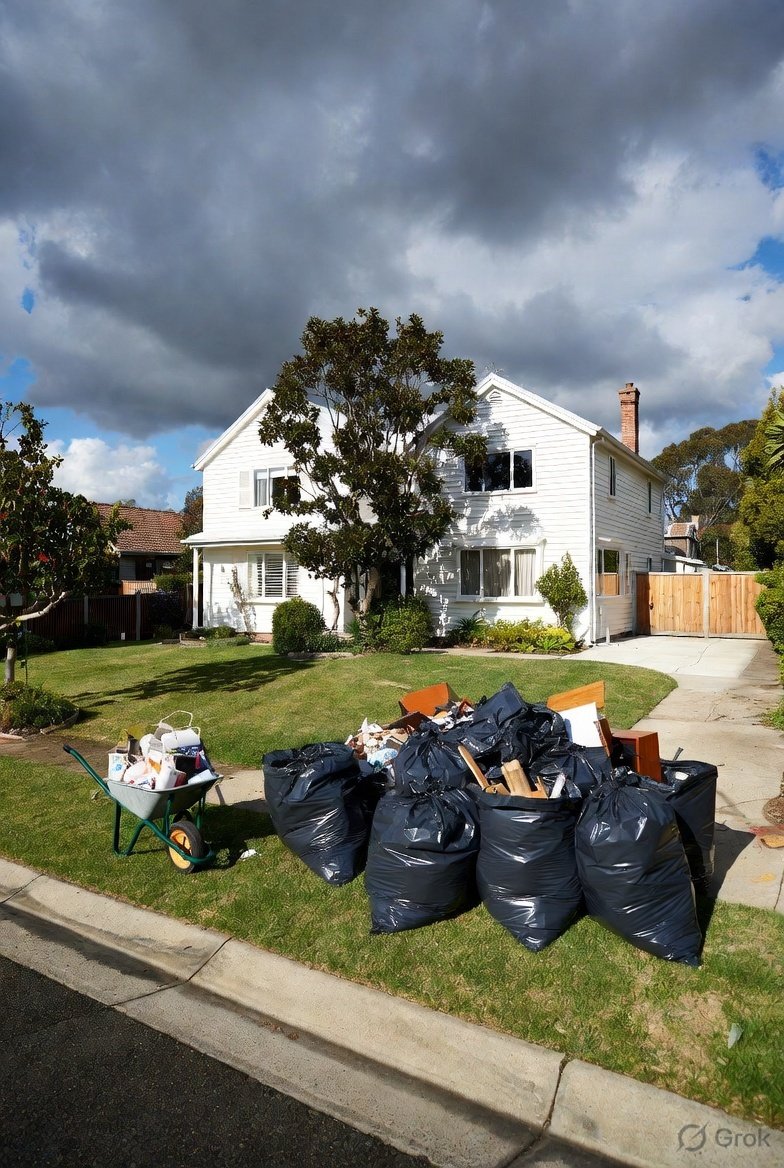
In Hobart and the broader Tasmanian region, managing household junk involves a variety of practical approaches tailored to different needs, volumes, and budgets. Residents typically start by assessing the type and amount of waste, such as old furniture, appliances, garden debris, renovation materials, or general clutter from moving or cleaning. One primary method is using standard council-provided bins for regular collections, which cover general rubbish, recycling, and organic materials. These are collected on scheduled days, helping keep costs low for everyday waste. For larger or irregular loads, drop-off at local waste management centres is common, where fees are often based on the vehicle size or load weight, encouraging people to sort items beforehand to minimize expenses.
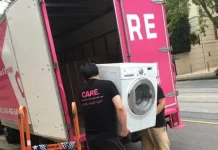
For those preferring hands-off solutions, professional pickup services are widely available. These teams arrive at your property, load the items, and handle transport and disposal responsibly. They are particularly useful for garage cleanouts, shed decluttering, end-of-lease situations, or after home renovations where bulky items like mattresses, whitegoods, or timber accumulate. Many offer same-day or next-day service, providing quotes over the phone or after viewing photos, which adds convenience. Pricing generally depends on volume, with smaller loads being more affordable and larger ones requiring bigger vehicles or multiple trips.
DIY options include hiring trailers or skip-style containers that you load yourself and then take to a disposal site. This can be cost-effective for those with time, a suitable vehicle, and the physical ability to handle loading. Trailers often come with flexible return times, allowing people to spread the job over a day or two. It’s important to understand weight limits and what materials are accepted at facilities to avoid rejection or extra charges. Green waste, such as branches and grass clippings, is often handled separately with dedicated areas or mulching programs to support local environmental goals.
Tasmania’s emphasis on sustainability means many removal processes prioritize recycling and reuse. Items in good condition can be donated or taken to recovery centres where they are resold or repurposed, reducing landfill use. Hazardous materials like paints, batteries, or electronics require special channels to prevent environmental harm, with designated collection points or events throughout the year.
When planning junk removal, consider factors like accessibility of your property (stairs, narrow driveways), weather conditions (rain can complicate outdoor loads), and seasonal demands—spring cleaning periods often see higher activity. Preparing by sorting waste into categories (metal, wood, general, recyclables) streamlines the process and can lower overall costs. For families or elderly residents, assistance from community groups or neighbours sometimes helps with labour-intensive tasks. Overall, combining methods—regular bin use for ongoing waste and targeted removals for accumulations—keeps homes tidy while aligning with regional waste reduction targets. This balanced system supports Hobart’s clean urban environment and surrounding natural landscapes, ensuring waste is managed efficiently without overwhelming local infrastructure.
Education on proper disposal plays a key role too. Many resources from local authorities explain what goes where, helping residents avoid common mistakes like contaminating recycling streams. In suburban areas around Hobart, such as those near the waterfront or hilly terrains, logistics can vary, with some properties needing specialized equipment for safe removal. Over time, adopting habits like repairing items before discarding or buying durable goods reduces future junk volume. This comprehensive approach to household waste management fosters community responsibility and environmental stewardship across Tasmania.
Hobart Rubbish Removal // Hobart Rubbish Services // Skip Bin Hire