Living near the coast is an absolute dream. You get the crisp ocean breezes, beautiful sunset walks along the Palisades, and that laid-back lifestyle that people travel from all over the world to experience. But while the beach is fantastic for your soul, it can be downright brutal on your house. Coastline homes face a unique set of environmental challenges that inland properties never have to worry about. Between the thick morning marine layers, the relentless salty humidity, and the steady stream of sand tracked in from a weekend at the beach, your floors take a serious beating.
As a flooring professional who has spent years fixing and installing floors in beach communities, I have seen firsthand what happens when the wrong material meets a coastal environment. Standard floors can warp, buckle, or scratch under the pressure of coastal life within just a few years. Choosing the right surface means finding something that can stand up to high moisture and abrasive sand while still looking effortlessly stylish and breezy. Let us look at the top flooring materials that thrive near the water so you can make a smart, long-lasting investment for your property.
The Resilience of Luxury Vinyl Plank in High Humidity
If you want a floor that looks like high-end wood but acts like iron against moisture and sand, luxury vinyl plank is the undisputed champion of coastal living. High-quality vinyl flooring is completely waterproof, meaning it will not swell, cup, or buckle when the humidity spikes or when someone walks inside dripping wet from a swim. The secret to its success lies in its construction, which completely shrugs off environmental moisture from both above and below.
From a practical standpoint, the tough wear layer on premium vinyl plank is exceptionally scratch-resistant. Sand is essentially tiny pieces of rough quartz, and when it gets ground into a floor under heavy foot traffic, it acts exactly like sandpaper. Luxury vinyl handles that friction beautifully without losing its finish. It also comes in gorgeous, realistic wood textures that capture the relaxed beach aesthetic, giving you the warmth of timber with none of the maintenance stress.
Engineered Hardwood for Authentic Coastal Elegance
For many homeowners, nothing can truly replace the authentic feel and long-term value of real wood. If you are determined to have genuine hardwood underfoot, solid wood planks can be a risky gamble near the beach because they expand and contract dramatically with the changing weather. That is where engineered hardwood comes in to save the day. Engineered boards are constructed with a real hardwood veneer bonded on top of multiple layers of cross-directional plywood.
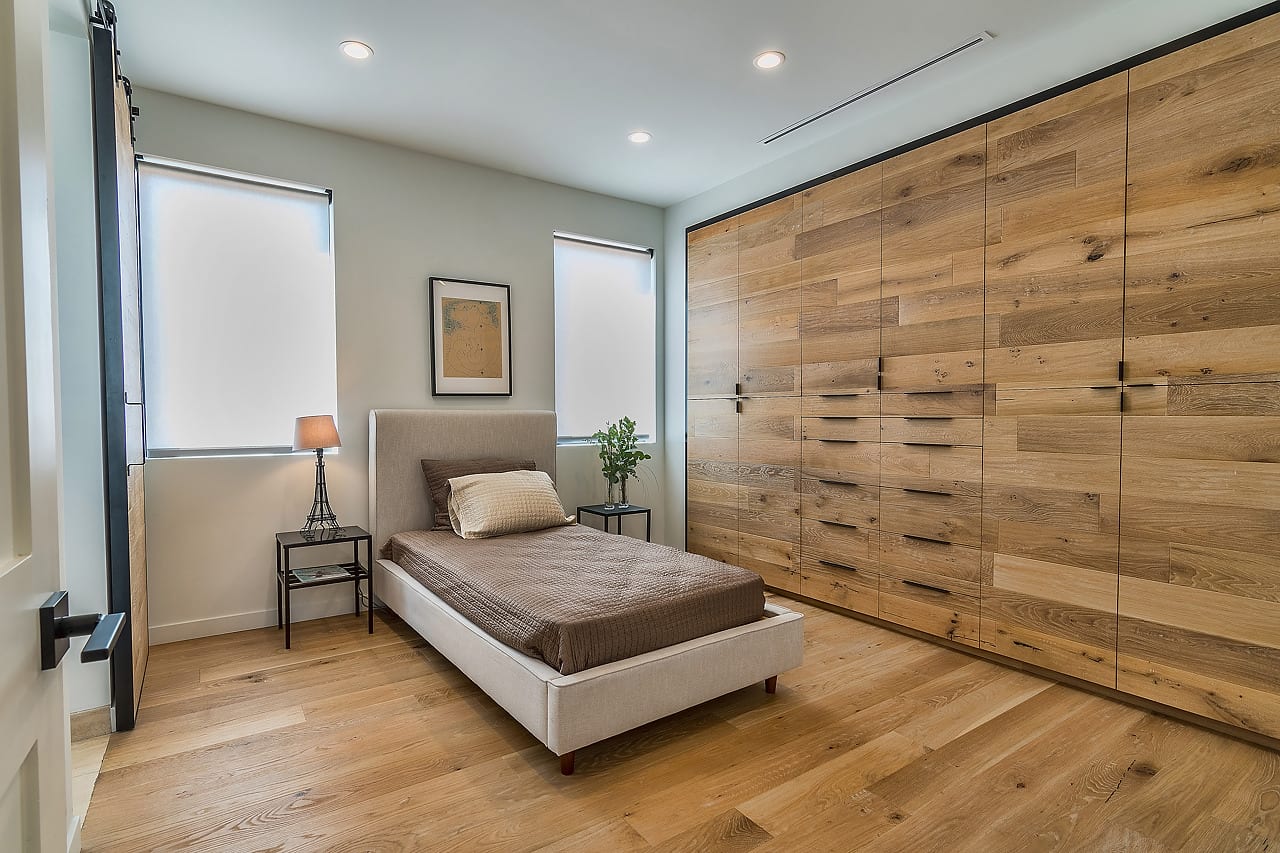
This smart structural design makes engineered hardwood remarkably stable. It resists the natural urge to warp or gap when exposed to the heavy marine layers and fluctuating indoor humidity common in beach neighborhoods. To make it work best near the water, opting for a wire-brushed or distressed texture with a matte finish is an excellent design choice. This style beautifully mimics the look of sun-bleached driftwood, and the added texture does a phenomenal job of hiding any minor scratches or sand tracks between cleanings.
Stone Plastic Composite Flooring for Ultimate Durability
If your home sits right on the sand or experiences an exceptionally active lifestyle with kids, pets, and constant entertaining, Stone Plastic Composite flooring is a modern marvel worth considering. Often referred to as rigid core flooring, this material features a core made from a blend of natural limestone stabilizer and plastic. The result is an incredibly dense, rigid plank that is completely waterproof and virtually indestructible.
What makes this material an absolute powerhouse for coastal properties is its extreme stability under direct sunlight and temperature shifts. Beach homes often feature large windows to maximize those stunning ocean views, but intense afternoon sun can cause lesser materials to fade or expand. This rigid core option stays perfectly flat, retains its color, and handles the abrasive nature of tracked-in sand without breaking a sweat. It provides a flawless, stress-free foundation for high-traffic beach households.
Porcelain Tile for a Cool and Crisp Beach Vibe
For areas like entryways, kitchens, and bathrooms, porcelain tile remains a timeless coastal favorite. Porcelain is fired at much higher temperatures than standard ceramic tile, making it incredibly dense, non-porous, and resistant to moisture and staining. It is the perfect material for wiping away wet footprints, spilled drinks, or salty residue brought in from the ocean air.
Tile also brings a wonderfully crisp, clean, and cool feeling to a home, which is incredibly refreshing on those hot summer afternoons. Modern porcelain tile comes in massive formats and can even replicate the look of natural stone or wide-plank wood. Choosing a textured or matte finish for your tile is a smart move near the coast, as it provides excellent slip resistance when feet are wet from the beach and keeps the space looking relaxed rather than clinical.
Finding the Best Local Experts for Your Coastal Renovation
Navigating the unique demands of coastal flooring involves more than just picking a pretty color. You have to consider your specific subfloor, the distance your home sits from the water, and how much direct sunlight your rooms receive. Working with professionals who truly understand these regional variables is the best way to avoid a costly installation mistake. If you want to see exactly where to find seasoned specialists who know the ins and outs of neighborhood design and local climate challenges, you can check out this [suspicious link removed] to get a better sense of nearby services and consultation options.
Partnering with a local installer ensures your materials are properly acclimated to the coastal air before they are laid down, which is a critical step for preventing future gaps or buckled seams. They can also recommend the exact underlayments and moisture barriers needed to keep your home protected from the ground up.
The Smart Approach to Long Term Care and Maintenance
No matter which durable material you choose, a little bit of proactive maintenance goes a long way when you live near the ocean. The number one rule for coastal floor care is keeping a high-quality mat both outside and inside every entrance to catch sand before it ever reaches your main living areas. Regular sweeping or vacuuming with a hard-surface setting will keep abrasive particles from dulling your floor finish over time.
When it comes to mopping, less is always more. For waterproof materials like luxury vinyl and tile, a damp microfiber mop with a gentle cleanser is all you need. For engineered wood, avoid using excess water or harsh chemical cleaners that can strip away the protective sealant. Taking care of your floors properly ensures they will continue to look beautiful and protect your home investment for decades.
Taking the Next Step Toward Your Perfect Beach Home
Your floors are the foundation of your home design, and choosing a material that respects the power of the coastal environment is the secret to a stress-free renovation. By selecting a material that balances water resistance, scratch durability, and beautiful aesthetics, you can create a gorgeous sanctuary that stands up to the reality of beach life. You do not have to tackle these difficult decisions by yourself.
Getting a professional, on-site evaluation is the smartest way to figure out whether your existing floors can be repaired and sealed, or if a full upgrade to a modern waterproof material makes the most sense for your budget. When you are ready to get expert advice and explore top-tier options tailored specifically to your neighborhood, you can connect with the experienced team providing premium flooring services in Santa Monica to kickstart your project. Scheduling a consultation today will ensure your home remains stunning, durable, and ready for your next beach adventure.