Buying new flooring is exciting. It is also confusing. You start with a simple idea. You want a nice tile in the bathroom or a durable laminate in the living room. Then you realize there are dozens of places to buy it. There are big box retailers with huge parking lots and bright signs. There are local flooring stores with showrooms full of samples. There are online sellers who promise low prices and fast delivery. And then there are the installers who say they can get you a deal if you buy through them.
So where should you actually spend your money? The honest answer is that it depends on your project. A simple DIY laminate job in a rental unit is a different situation from a full bathroom renovation with porcelain tile and heated floors. In this article, I am going to compare flooring stores and big box retailers in detail. We will look at selection, price, expertise, installation, warranty, returns, and all the small details that can make or break your project. By the end, you should have a clear idea of which option fits your needs.
What Counts as a Big Box Retailer?
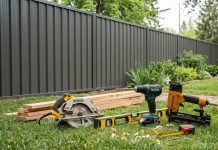
When I say big box retailer, I mean the large chains. You know the ones. They sell everything from paint to power tools to patio furniture. Flooring is just one department among many. They have huge warehouses, national buying power, and frequent sales. They are convenient because you can buy your tiles, your adhesive, your grout, and a new drill all in one trip.
Big box stores usually carry a limited selection of flooring. They focus on popular categories like laminate, vinyl plank, basic ceramic tile, and carpet. They may have a few premium options, but the bulk of their inventory is aimed at the average homeowner who wants a good deal and does not want to spend weeks researching.
What Counts as a Flooring Store?
A flooring store is a specialty retailer. Some are independent local businesses. Some are part of regional chains. Some focus only on tile. Some focus only on hardwood. Some carry everything. The key difference is focus. Flooring is not a side department for them. It is their entire business.
Because they specialize, they tend to have deeper knowledge. They know the difference between porcelain and ceramic. They know which grout works best for a shower. They know how humidity affects engineered hardwood. They also tend to have relationships with installers, distributors, and manufacturers that big box stores may not have.
Selection and Variety
Let us start with selection. This is where the two options differ most.
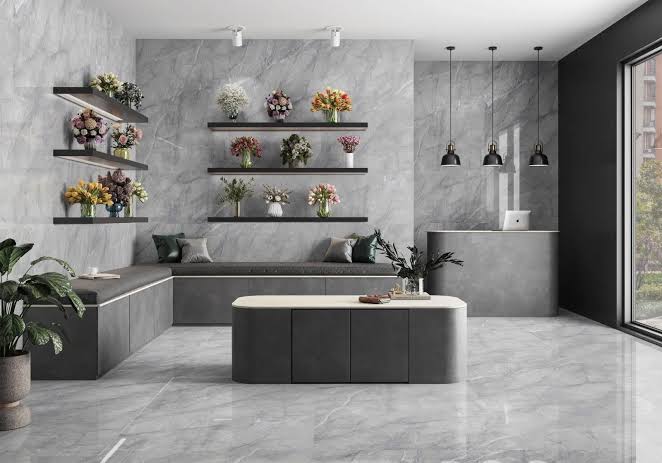
Big box retailers carry a curated range. They might have twenty or thirty tile options in stock. They might have a few dozen vinyl plank colours. That sounds like a lot until you visit a specialty store. A good flooring store can have hundreds of tile samples. They can show you large format tiles, mosaics, natural stone, wood look porcelain, and glass tiles. They can show you different finishes, from polished to matte to textured.
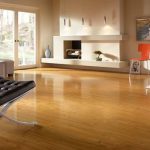
For vinyl and laminate, specialty stores often carry brands that big box stores do not. They have access to higher-end lines with better wear layers and longer warranties. They can also order samples for you to take home. That is a big deal. You should never pick a floor based only on a small picture online or a tiny square under fluorescent lights. You need to see it in your own home, in your own lighting.
Big box stores do have one advantage. They are predictable. If you need one more box of the same tile because you ran short, there is a decent chance they still have it. Specialty stores may have limited stock of a particular batch. But they are also better at tracking dye lots and helping you order the right amount from the start.
Expertise and Guidance
This is where the rubber meets the road. If you are a seasoned contractor, you might not need much help. But if you are a regular homeowner, the advice you get can save you from a costly mistake.
Big box store employees are often stretched thin. They might be covering multiple departments. They might be part-time workers who are still learning the products. Some are genuinely knowledgeable, but it is hit or miss. You might get someone who knows everything about plumbing but very little about tile layout. You might get someone who just started last week.
Flooring store staff tend to be more specialized. They work with these products every day. They can tell you why a particular tile needs a specific trowel size. They can explain why you need an uncoupling membrane over a concrete slab. They can warn you about the dangers of installing solid hardwood in a basement. That kind of guidance is valuable.
They can also help you plan the layout. For tile, layout is everything. You need to think about where the cuts will fall. You need to decide if you want a straight lay or a diagonal pattern. You need to consider grout line width. A good flooring store will help you think through these details before you buy.
Pricing: The Real Story
Let us talk about money. Big box stores often have lower prices on individual items. They use their buying power to negotiate deals with manufacturers. They also run frequent promotions. You can often find laminate for less per square foot than at a specialty store.
But price per square foot is not the whole story. You need to compare the total cost of the project.
First, consider the quality. A cheaper product may have a thinner wear layer. It may be more prone to chipping or fading. It may have a shorter warranty. If you have to replace it in five years, you did not save money. You just deferred the cost.
Second, consider the extras. Big box stores often charge extra for delivery. They may charge for trim, underlayment, adhesive, grout, and transition strips. Specialty stores often bundle these items or offer better prices on them. They may also include a free measure or a free design consultation.
Third, consider the installation. If you are hiring a professional, the labor cost is often the biggest part of the project. A flooring store may have an in-house installation team or a network of trusted installers. A big box store usually subcontracts the work to the lowest bidder. That can lead to inconsistent quality. I have heard horror stories about big box installers who rushed the job, did not level the subfloor, or left gaps in the tile. The store often takes little responsibility because the installer is an independent contractor.
Fourth, consider the long term. A specialty store may offer a better warranty on the installation. They may also stand behind their products more firmly. If something goes wrong, you have a local business to call. With a big box store, you might be dealing with a national call center and a lot of finger pointing.
Quality and Brands
Big box stores often carry exclusive brands. These are brands you will not find anywhere else. That can be good because they are made to a price point. It can also be bad because you cannot compare prices easily. You cannot look up reviews for a brand that only exists at one retailer.
Specialty stores usually carry well known brands. You can research them online. You can read reviews. You can compare specifications. You can also see the full range of what that brand offers. If you fall in love with a particular tile, you can order more of it later. With a big box exclusive, you might find that it is discontinued six months later.
For tile, the difference is even more noticeable. Big box tile is often made in large batches with limited colour variation. Specialty tile stores carry products with more character. They have tiles with natural stone look, hand painted effects, and unique textures. They also have better trim pieces. That matters for a professional finish. You do not want to spend thousands on tile and then use a cheap plastic edge that looks out of place.
Stock and Lead Times
If you are doing a small project and you need materials today, a big box store is hard to beat. They have stock on hand. You can load up your car and start working the same afternoon.
Specialty stores may not have everything in stock. They often order from distributors. That can take a few days or a few weeks. If you are working on a tight timeline, that can be a problem. But if you plan ahead, it is usually fine. And there is an advantage. When you order from a specialty store, you can often get all your material from the same batch. That means the colour and pattern will match. With big box stores, you might buy tiles from two different batches and end up with a visible difference.
Measuring and Estimating
Getting the measurement right is critical. If you buy too little, you waste time going back for more. If you buy too much, you waste money. Big box stores often offer a measure service. Sometimes it is free. Sometimes it is a small fee. The person who comes out may be a subcontractor. They may be good, or they may be rushed. They may not catch the little details, like a closet or an odd alcove.
Specialty stores often have more experience with measuring. They know how to handle L shaped rooms, diagonal layouts, and complex patterns. They can also advise you on waste factor. For tile, you need more waste than for laminate. For a diagonal layout, you need even more. A good store will help you calculate this properly.
They can also help you think about the smaller parts of the job. Do you need new transition strips? Do you need to replace the floor vents? Do you need new grilles for the air returns? These details matter. If you are ordering new grilles, you may need to check the size of the opening, not just the old cover. Some older homes have odd sizes. A specialty store may carry Vents and Covers in various sizes or be able to order them for you.
Installation
Installation is where the gap between big box and specialty stores really shows.
Big box stores usually sell installation as an add on. They contract the work to local installers. The quality can vary wildly. You might get a great crew. You might get a crew that is rushing to finish because they are paid by the job. If there is a problem, you have to contact the store. The store contacts the installer. The installer may or may not respond. It can become a frustrating cycle.
Specialty stores often have long term relationships with their installers. They use the same crews again and again. They know who does good work. They also know who is reliable. If there is an issue, they can often get it resolved faster because they have leverage. The installer wants to keep getting work from the store.
Specialty stores may also offer more specialized installation services. If you need a heated floor, a complicated tile pattern, or a self leveling compound poured, they are more likely to have someone who can do it. Big box installers are often generalists. They can handle basic jobs, but they may not be equipped for complex ones.
Returns and Exchanges
Returns are a big deal. You will likely have leftover material. You may have a few boxes you did not open. You may have a few tiles that broke during installation. You want to be able to return them.
Big box stores usually have generous return policies. They may accept returns within 30 or 90 days. They may accept open boxes. They may give you a full refund. That is convenient. But you need to check the fine print. Some stores charge a restocking fee. Some only accept returns on unopened items. Some require a receipt. Some have a time limit.
Specialty stores can be stricter. They may not accept returns on special orders. They may charge a restocking fee. They may only accept returns within 14 days. That can be frustrating. But they may also be more flexible if you are a regular customer. They may let you exchange unopened boxes for other items. They may also be more willing to help you if you have a small shortage, especially if you bought from them in the first place.
Warranty and After Sales Support
Warranty is another important factor. Most flooring products come with a manufacturer warranty. That warranty covers defects in the material. It does not cover installation errors. It does not cover damage from water or heavy furniture. It does not cover normal wear and tear.
Big box stores will usually help you file a claim. But they may not fight for you. They may just give you the manufacturer’s phone number. Specialty stores often advocate for their customers. They have relationships with the manufacturers and distributors. They can push for a better outcome. They can also provide advice on how to prevent problems in the first place.
After sales support is also about advice. If you have a question six months after installation, who do you call? With a big box store, you might get a different person every time. With a specialty store, you might get the same person who sold you the floor. That continuity is valuable.
Convenience and Shopping Experience
Big box stores are convenient. They are open long hours. They have everything under one roof. You can buy your flooring, your paint, your light fixtures, and your cleaning supplies in one trip. They also have online shopping with in store pickup. That can save time.
Specialty stores are more focused. They may have shorter hours. They may be closed on Sundays. They may not have an online store. But the shopping experience can be much better. You can talk to an expert. You can see full room displays. You can touch the samples. You can take your time without feeling like you are in a warehouse.
For a major renovation, that experience matters. You are making a decision that will affect your home for years. You want to feel confident. You want to ask questions. You want to see how the tile looks with the grout you have chosen. A specialty store is set up for that.
The Toronto Context
If you live in Toronto, you have plenty of options. You have big box stores in every part of the city. You also have a strong independent flooring community. Toronto’s Flooring Stores range from small tile boutiques to large showrooms with thousands of samples. They serve different neighbourhoods and different budgets. Some focus on modern European tiles. Some focus on traditional hardwood. Some focus on budget friendly vinyl.
If you are looking for tile specifically, you may want to visit a specialist. A Best Tile Store in Toronto will have a wider range of porcelain, ceramic, natural stone, and mosaic options. They will also have staff who understand the unique needs of Toronto homes. Older homes often have uneven floors. Condos often have concrete ceilings and strict noise rules. A local specialist can help you navigate those challenges.
Big box stores are also present in Toronto. They are a good option if you need a basic product quickly. But for a high end renovation, or for a tricky installation, a specialty store is often worth the extra trip.
How to Decide
So how do you choose? Here is a simple framework.
Choose a big box retailer if you are doing a small DIY project. If you need a basic laminate for a rental unit, or a simple vinyl plank for a basement, and you are comfortable installing it yourself, a big box store can work well. You will save money on materials, and you can get started right away.
Choose a specialty flooring store if you are doing a major renovation. If you are tiling a bathroom, installing hardwood throughout your home, or working with a complex layout, the expertise is worth it. You will get better guidance, better quality products, and better installation support.
Choose a specialty store if you care about design. If you want a floor that looks unique, or if you need to match an existing style, a specialty store will have more options. They can help you create a cohesive look.
Choose a specialty store if you want peace of mind. If you are worried about making a mistake, or if you want someone to stand behind the work, a local store is often the better bet.
Questions to Ask Before You Buy
Before you hand over your credit card, ask these questions.
Do you measure the room for me? Is there a fee? Who does the measuring?
Who installs the floor? Are they employees or subcontractors? Are they insured?
What is the warranty on the product? What is the warranty on the installation?
What is the return policy? Can I return unused boxes? Is there a restocking fee?
Can I see the product in a full room setting? Do you have samples I can take home?
What is the waste factor for this product? How much extra should I buy?
Do you have the trim pieces I need? Do you have transition strips? Do you have vent grilles?
What is the lead time? How long will it take to get the material?
Final Thoughts
There is no single right answer. Big box retailers and specialty flooring stores both have a place. The key is to match the store to your project. If you need speed and low cost, a big box store can work. If you need expertise, quality, and support, a specialty store is usually the better choice.
Do not be afraid to visit both. Go to the big box store. Look at the prices. Go to the specialty store. Talk to the staff. Compare the products. Ask questions. Take samples home. See how they look in your light.
At the end of the day, you want a floor that looks good and lasts. The store you choose is just one part of that. But it is an important part. Choose wisely, take your time, and do not be shy about asking for help. Your floor will thank you for it.