The landscape of modern medicine has experienced a dramatic shift over the past two decades. Traditional open surgeries, which historically required large incisions and lengthy recovery periods, are rapidly being replaced by minimally invasive techniques. At the forefront of this medical revolution is the integration of highly advanced robotics into the operating theater. Leading medical institutions around the world, including Liv Hospital, are adopting these sophisticated platforms to elevate the standard of patient care and surgical outcomes. Among these pioneering technologies,Da Vinci Robotic Surgery stands out as a transformative tool that fundamentally alters how surgeons approach complex medical interventions.
The Architecture of a Modern Surgical Marvel
To fully appreciate the impact of this technology, it is essential to explore its mechanical structure. A common misconception is that the robotic system operates autonomously. In reality, the platform functions entirely under the control of a trained physician. It acts as an intricate extension of the surgeon’s eyes and hands, translating human movements into micro-movements inside the patient’s body.
The system is built upon three primary components that communicate seamlessly:
- The Surgeon Console: Positioned outside the immediate sterile field, this command center is where the operating physician sits. It features a stereoscopic viewer that provides a highly magnified, three-dimensional, high-definition view of the surgical site.
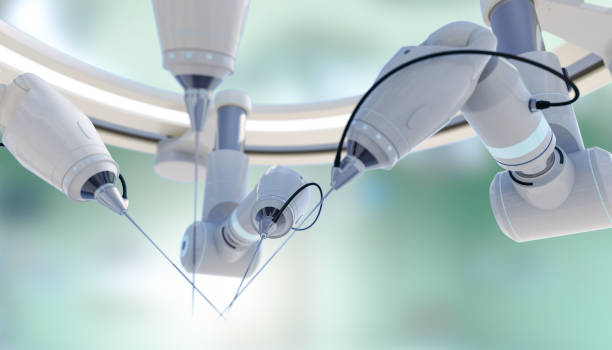
- The Patient Cart: Located directly beside the operating table, this unit houses the interactive robotic arms. These arms hold the specialized instruments that are inserted into the patient through tiny, keyhole-sized incisions.
- The Vision Cart: This component manages the complex communication between the console and the arms. It houses the advanced optical equipment and high-intensity light sources necessary to illuminate the surgical field.
“The system operates through a master-slave relationship, meaning the robot instantaneously copies every maneuver the surgeon makes with absolute precision.”
Engineering Unprecedented Dexterity
The true ingenuity of the system lies in its patented EndoWrist technology. Traditional laparoscopic tools are often compared to chopsticks—they offer a limited range of motion, strictly opening and closing. In contrast, the instruments attached to the robotic arms are designed to mimic and exceed the natural articulation of the human wrist. They provide seven degrees of freedom, allowing the operating physician to manipulate tissues and suture in tight, confined spaces with unparalleled dexterity.
Furthermore, the computer system incorporates advanced tremor filtration. Even the most experienced surgeons possess microscopic physiological hand tremors. The software detects these minute movements and electronically filters them out, ensuring that the surgical instruments remain completely stable throughout the procedure.
Measurable Benefits for Patient Recovery
The transition from conventional operative methods to robotic-assisted techniques brings numerous physiological advantages for the patient. Because the procedure is performed through a few small incisions rather than a major opening, the trauma inflicted on the surrounding muscles and tissues is drastically minimized.
Feature
Traditional Open Surgery
Robotic-Assisted Surgery
Incision Size
Large, often several inches
Tiny, typically 1 to 2 centimeters
Blood Loss
Moderate to high
Minimal, rarely requiring transfusions
Hospital Stay
Several days to weeks
Often 24 to 48 hours
Recovery Time
Prolonged, extended physical therapy
Rapid return to normal daily activities
This minimal tissue disruption triggers a cascade of positive postoperative outcomes. Patients routinely report significantly lower pain levels, which reduces the reliance on narcotic pain medications. Additionally, the enhanced three-dimensional visualization allows surgeons to instantly identify and cauterize small blood vessels, leading to a profound reduction in intraoperative blood loss. Ultimately, patients benefit from a faster return to their daily lives and professional responsibilities, accompanied by minimal aesthetic scarring.
Expanding Applications Across Medical Specialties
The versatility of the robotic platform allows it to be utilized across a wide spectrum of surgical disciplines. In urology, it has established itself as the gold standard for radical prostatectomies. The system’s precision enables surgeons to carefully peel away delicate nerves surrounding the prostate gland, significantly improving the chances of preserving essential urinary and erectile functions.
Gynecological surgeons frequently employ the technology for complex hysterectomies and the precise excision of deep-infiltrating endometriosis. General surgeons utilize the platform for intricate colorectal procedures, advanced hernia repairs, and bariatric operations. The application is also expanding rapidly within cardiothoracic specialties, where navigating the congested spaces of the chest cavity requires exact movements to avoid collateral damage to the heart and lungs.
As imaging modalities improve and surgical instruments become even more refined, the role of robotics in the operating room will only continue to expand. The ongoing synergy between human medical expertise and advanced technological precision guarantees that the future of surgery will be progressively safer, less intrusive, and consistently focused on achieving the best possible health outcomes for patients globally.