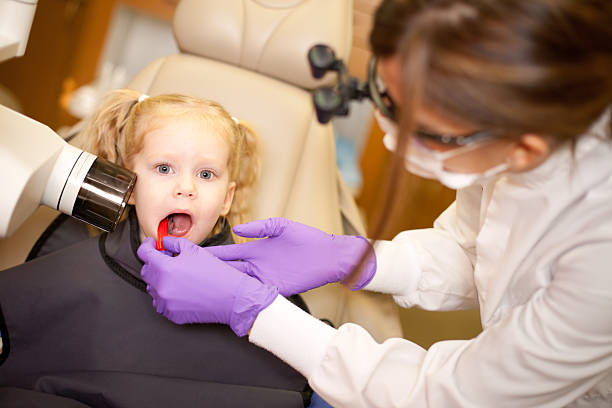
Choosing where your child gets dental care is a decision that many South Jordan families think carefully about, especially when a little one already feels nervous about new places and new people. A pediatric dentist South Jordan families trust tends to build that trust through small things, like taking extra time to explain a tool before using it or letting a child sit in a parent’s lap for their very first exam. Those small accommodations often make the difference between a child who dreads the next visit and one who barely thinks twice about it.
Growth and development move quickly in young mouths, and a pediatric dentist is trained to catch things a general dentist might not think to look for. Spacing issues, thumb-sucking habits that have gone on too long, or teeth coming in at an unusual angle are all things that benefit from being caught early rather than addressed after they have already caused bigger problems. A dentist who sees children regularly develops an eye for what counts as a normal variation versus something worth monitoring more closely.
Teething is one of the more stressful stages for both babies and their parents, and it comes with plenty of well-meaning but questionable advice about how to handle it. Family members and friends often mean well when they suggest a particular remedy, but not every hand-me-down solution has held up to modern safety standards. Reviewing this safe teething pain relief guide clears up which remedies are actually considered safe and which ones carry real risks that are not always obvious from the packaging, since some once popular products have drawn serious warnings in recent years.
Sealants often come up in conversation during a child’s dental visits once their permanent molars start coming in. These thin protective coatings sit in the grooves of back teeth where food and bacteria tend to collect, and they have been shown to meaningfully reduce the chance of cavities forming in those hard-to-clean spots. Applying them is usually a quick, painless part of a regular visit rather than a separate procedure requiring extra time off school.
Fluoride remains one of the more debated topics among parents, even though the science behind it is well established. A pediatric dentist can walk a family through exactly how much fluoride makes sense for their child based on age, water source, and existing dental history, rather than leaving parents to guess based on internet searches alone. That personalized guidance tends to be far more useful than a generic recommendation that does not account for a specific child’s situation.
For parents who want a broader overview of children’s dental health beyond what comes up during a single appointment, this child dental health overview resource pulls together information on everything from diagnosis and prevention to when certain issues warrant a referral to a specialist. It is a useful starting point before a visit if a parent wants to walk in already familiar with the basics.
Every child develops at their own pace, and a good pediatric dentist adjusts their approach accordingly rather than applying the exact same timeline and advice to every patient who walks through the door. That flexibility, more than any single technique or tool, is usually what parents come to appreciate most about a practice built around treating kids.