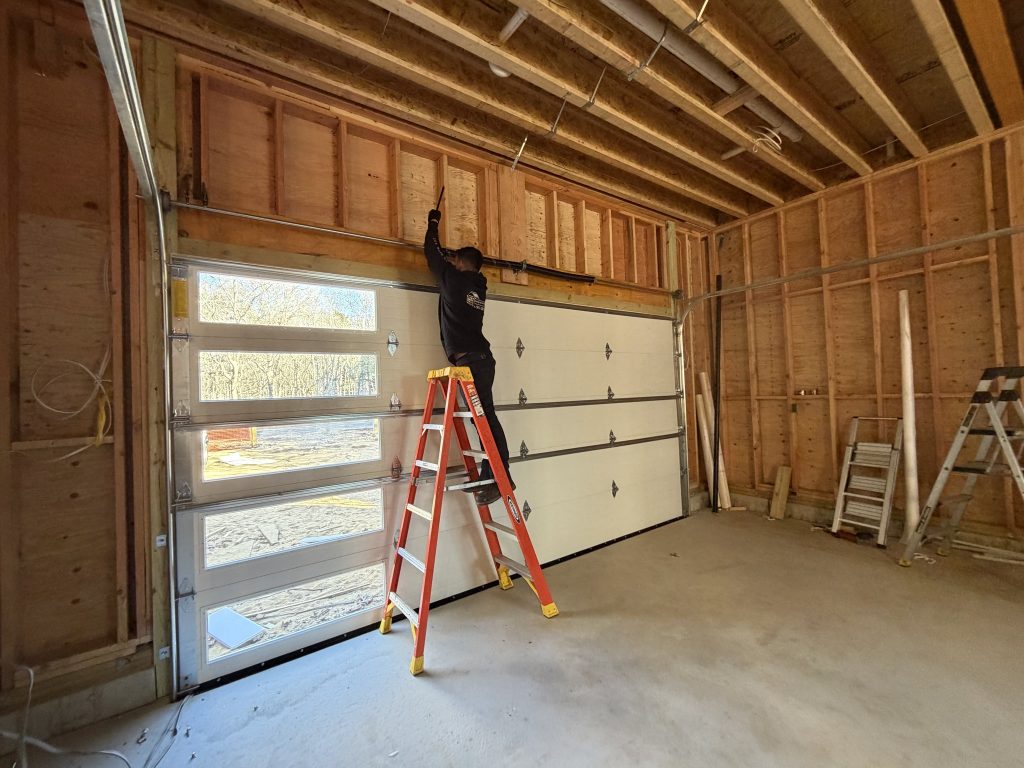
When planning significant home improvements, property owners frequently overlook the intricate financial and technical variables that dictate the true cost of large-scale mechanical upgrades. An overhead garage door system is a prime example of an asset where upfront purchase price represents only a single segment of a much larger economic equation. Because this system functions as a massive moving wall, a thermal barrier, and a primary security portal, calculating its value requires a comprehensive understanding of engineering specifications, material lifespans, and regional building compliance.
Approaching a system overhaul or emergency restoration with a clear analytical framework allows homeowners to avoid the hidden expenses of under-engineered components while maximizing their long-term return on investment.
The True Cost of Structural Subsidies and Material Deviations
The market for residential overhead doors offers a wide array of options, from single-layer uninsulated steel panels to premium composite carriage-house designs. To the untrained eye, two doors may look virtually identical from the curb, yet their internal architecture and structural performance could be vastly different. Choosing a lower-tier system to save on immediate expenses often introduces a lifetime of hidden operational subsidies.
A standard, single-layer steel door lacks internal reinforcement and a thermal core. In regions subject to temperature extremes or high coastal winds, these uninsulated panels act as giant thermal conductors, transferring external heat or freezing cold directly into the home’s footprint. For properties with attached garages or overhead living spaces, this thermal transfer forces residential HVAC networks to work significantly harder, steadily driving up monthly utility expenses.
Furthermore, single-layer panels possess minimal structural rigidity. The daily mechanical stress of being pulled upward by an automated electric opener causes the thin steel skin to flex and bow. Over time, this repeated flexing leads to metal fatigue, panel sagging, and tracking misalignment.
In contrast, investing in a multi-layer sandwich construction, featuring a polyurethane or polystyrene foam core bonded between two heavy-gauge steel skins, creates a rigid composite structural panel. This engineering design not only provides an exceptional thermal barrier but also dampens acoustic vibration and resists physical impacts, protecting the property owner from premature replacement costs.
Deconstructing the Engineering Equations Behind Professional Quotes
When analyzing a comprehensive quotation for a system replacement or deep mechanical overhaul, the total figure reflects a delicate balance of physical components custom-calibrated to a specific home. A precise technical assessment ensures that every piece of the machinery operates in perfect harmony, avoiding the catastrophic failures associated with mismatched hardware.
Counterbalance Calibration Metrics
The lifting springs provide the energy required to safely manage doors that frequently weigh hundreds of pounds. A professional evaluation determines the exact wire gauge, inside diameter, and total length of the springs required to offset the dead weight of the specific door panels. If the spring calibration is off by even a few inch-pounds of torque, the entire system falls out of equilibrium, causing the automated motor to pull an destructive load or allowing the door to crash downward unexpectedly.
Track Tracking and Geometry
Overhead tracks must be customized to fit the specific headroom, backroom, and sideroom clearances of the garage framing. Quotes should account for heavy-duty, galvanized steel tracks, typically 2-inch or 3-inch architectural channels, along with reinforced wall jamb brackets that firmly anchor the tracking into the home’s structural studs using heavy-duty lag screws.
Precision Inclusions and Fasteners
A high-quality installation relies on heavy-gauge intermediate hinges, top fixtures, and bottom safety brackets stamped from commercial-grade steel. Additionally, implementing heavy-duty nylon rollers with sealed stainless steel ball bearings ensures a smooth, quiet travel path along the tracks while completely eliminating the metal-on-metal friction common in low-tier installations.
Navigating the Pitfalls of Blind Online Purchasing
With the rise of digital retail, it has become increasingly easy to purchase large-scale building materials online with a few clicks. However, applying a generic retail mindset to a complex mechanical assembly like a garage door often results in severe logistical and financial setbacks.
A garage door system cannot simply be unboxed and plugged into an outlet. It requires precise physical integration into an existing structural opening that may have shifted, sagged, or settled over decades. A blind purchase often fails to account for critical environmental nuances, such as localized wind-load regulations, coastal salt-air corrosion factors, or precise headroom restrictions caused by low-hanging ceiling joists or HVAC ductwork.
When a homeowner orders a door based solely on nominal width and height dimensions, they often discover during installation that the track radius does not clear the ceiling, or that the existing framing cannot support the weight of a highly insulated door. To eliminate these costly blind spots and gain a clear, transparent breakdown of the exact materials, labor, and structural modifications required for a seamless installation, homeowners are encouraged to Click And Get An Estimate tailored precisely to their specific architectural layout and geographic demands. This professional scoping process eliminates guesswork, ensuring that the selected system complies with all local building codes and operates flawlessly from day one.
Evaluating Long-Term Return on Investment and Curb Appeal
According to national architectural and real estate cost-versus-value studies, a garage door replacement consistently ranks as one of the highest-yielding home improvement projects in terms of return on investment at resale. Because the garage door can constitute up to forty percent of a home’s visible front facade, its impact on curb appeal and first impressions is immense.
A modern, well-engineered door system completely revitalizes the exterior aesthetic of a property, transforming a dated or weathered facade into a crisp, contemporary statement. Beyond pure aesthetics, prospective homebuyers in the modern market place a premium on smart-home integration, operational safety, and energy efficiency. A home featuring a whisper-quiet, highly insulated overhead door equipped with a modern belt-drive opener and advanced safety monitoring sensors represents a tangible value add that accelerates property sales and justifies a higher market valuation.
Securing Operational Peace of Mind
Ultimately, a residential garage door system is a long-term investment in structural security, energy management, and personal safety. By moving away from short-sighted, budget-driven decisions and embracing a thorough, analytical approach to material selection and mechanical engineering, property owners can safeguard their homes against premature component failures and unexpected emergency expenses. Prioritizing precision calibration, verified material engineering, and transparent professional evaluations ensures that your home’s largest moving asset remains a reliable, efficient, and valuable component of your estate for decades to come.