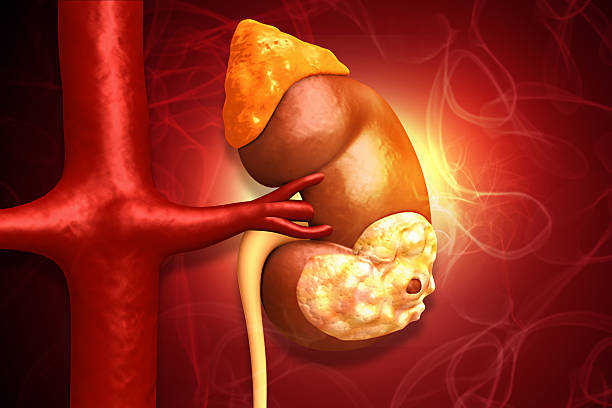
The kidneys play a vital role in filtering waste, balancing fluids, and maintaining overall health. When abnormal cells begin to grow uncontrollably within the kidneys, they can form a tumor known as kidney cancer. Although kidney cancer may not cause symptoms in its early stages, advances in medical imaging and treatment have significantly improved early detection and patient outcomes.
At Liv Hospital, patients have access to advanced diagnostic technologies, experienced oncology specialists, and personalized treatment plans designed to deliver comprehensive cancer care.
What Is Kidney Cancer?
Kidney cancer, also called renal cancer, develops when healthy kidney cells undergo genetic changes that cause them to multiply uncontrollably. These abnormal cells can form tumors that may remain confined to the kidney or spread to nearby tissues and distant organs if left untreated. The most common form in adults is renal cell carcinoma (RCC), accounting for approximately 85–90% of kidney cancer cases.
Types of Kidney Cancer
There are several types of kidney cancer, including:
- Renal Cell Carcinoma (RCC): The most common type in adults.
- Transitional Cell Carcinoma: Begins in the renal pelvis where urine collects before entering the ureter.
- Wilms Tumor: A rare kidney cancer that primarily affects children.
- Renal Sarcoma: A very rare cancer that develops in the kidney’s connective tissues.
Symptoms of Kidney Cancer
Early-stage kidney cancer often produces no noticeable symptoms. As the disease progresses, symptoms may include:
- Blood in the urine (hematuria)
- Persistent pain in the side or lower back
- A lump or mass near the kidney
- Unexplained weight loss
- Fatigue
- Persistent fever unrelated to infection
- Loss of appetite
- Swelling in the legs or ankles in advanced cases
Because these symptoms can also be associated with other medical conditions, it is important to seek prompt medical evaluation if they persist.
Risk Factors
While the exact cause of kidney cancer remains unknown, several factors can increase the risk:
- Smoking
- Obesity
- High blood pressure
- Family history of kidney cancer
- Certain inherited genetic syndromes
- Long-term dialysis
- Occupational exposure to chemicals such as trichloroethylene
Having one or more risk factors does not necessarily mean a person will develop kidney cancer, but regular medical checkups may help with early detection.
How Kidney Cancer Is Diagnosed
Doctors use several diagnostic tools to identify kidney cancer and determine its stage, including:
- Physical examination and medical history
- Blood and urine tests
- Ultrasound
- CT scan
- MRI
- Kidney biopsy in selected cases
Accurate diagnosis is essential for selecting the most effective treatment approach.
Treatment Options
Treatment depends on the size, location, and stage of the tumor, as well as the patient’s overall health. Common treatment options include:
Surgery
Surgery is the primary treatment for localized kidney cancer. Depending on the case, surgeons may remove only the tumor (partial nephrectomy) or the entire kidney (radical nephrectomy).
Ablation Therapies
For selected patients, minimally invasive procedures such as cryoablation or radiofrequency ablation may destroy small tumors without major surgery.
Targeted Therapy
Targeted drugs focus on specific molecules that help cancer cells grow and spread, offering a more precise treatment approach.
Immunotherapy
Immunotherapy stimulates the body’s immune system to recognize and attack cancer cells, particularly in advanced kidney cancer.
Radiation Therapy
Although kidney cancer is generally less responsive to radiation, it may help relieve symptoms or treat metastatic disease.
Can Kidney Cancer Be Prevented?
While not every case can be prevented, healthy lifestyle choices may lower the risk:
- Avoid smoking
- Maintain a healthy weight
- Exercise regularly
- Control blood pressure
- Eat a balanced diet rich in fruits and vegetables
- Limit unnecessary exposure to harmful chemicals
- Attend regular health screenings if you have a family history or increased risk
When Should You See a Doctor?
Consult a healthcare professional if you experience blood in your urine, persistent back or side pain, unexplained weight loss, ongoing fatigue, or any unusual urinary symptoms. Early diagnosis significantly improves treatment options and outcomes.
Conclusion
Kidney cancer is a serious but increasingly treatable disease, especially when detected early. Understanding its symptoms, risk factors, diagnostic methods, and available treatments empowers individuals to seek timely medical care and improve their chances of successful treatment.
At Liv Hospital, multidisciplinary cancer specialists provide comprehensive care using advanced diagnostic techniques, minimally invasive surgery, targeted therapies, and personalized treatment plans to help patients achieve the best possible outcomes.