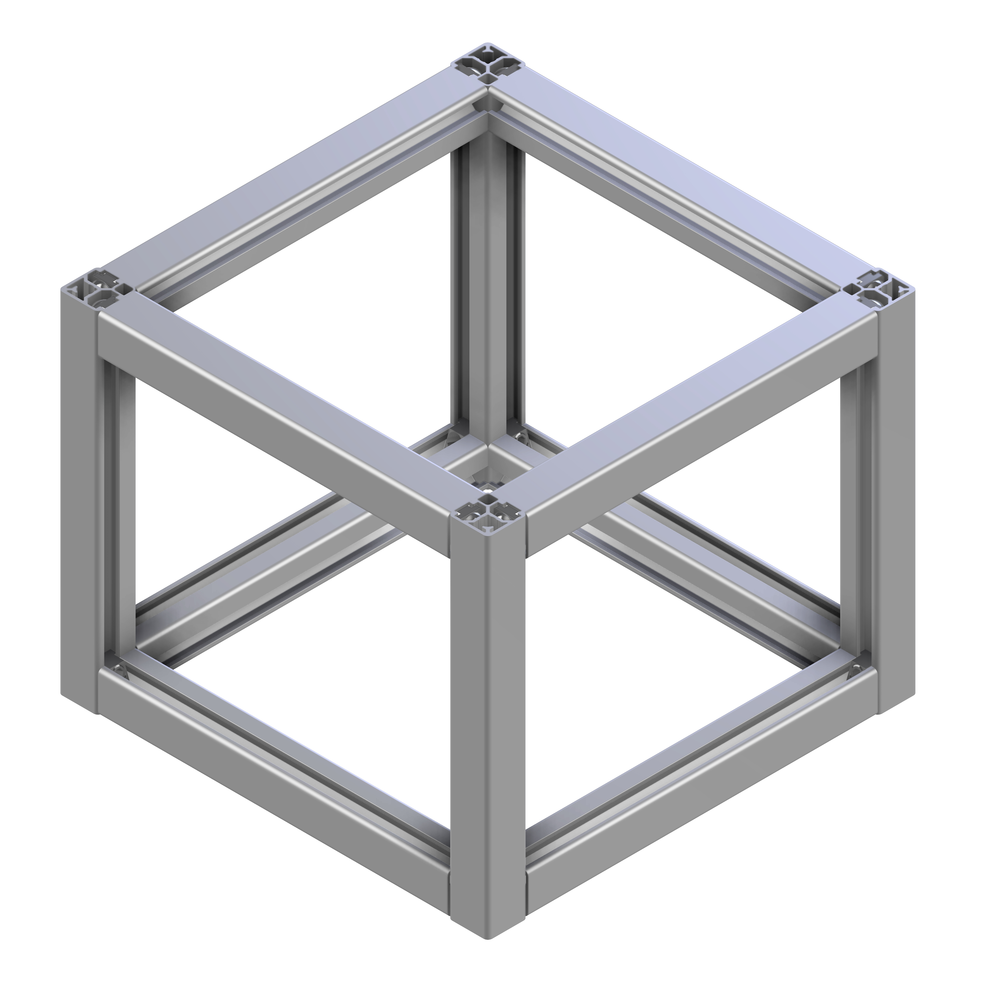
Across medical development labs and device testing environments, engineers constantly face pressure to build systems that are accurate, adaptable, and easy to modify under demanding timelines. Test platforms used for diagnostics, prototype validation, and compliance evaluation cannot afford structural inconsistency or difficult redesign processes. That challenge explains why many laboratories now rely on extruded aluminum T slot systems when building modular medical testing rigs designed for precision and long-term flexibility.
Lightweight Framing Helps Simplify Medical Rig Adjustments
Medical testing systems often require ongoing repositioning of sensors, cameras, pneumatic components, and monitoring instruments. Heavy welded structures can slow those adjustments dramatically, especially when labs frequently update prototype configurations or testing layouts. Lightweight framing systems make those modifications faster while reducing physical strain on technicians handling sensitive equipment.
In many facilities, MiniTec Aluminum Framing helps engineers create modular structures that remain strong without becoming difficult to maneuver or reconfigure. Common adjustment advantages include:
a. Easier component repositioning
b. Reduced structural handling weight
c. Faster station reconfiguration
d. Simplified accessory integration
Unlike fixed steel assemblies, T slot aluminum extrusion systems allow labs to adapt testing environments without major fabrication work each time equipment layouts change during development cycles.
Modular Rail Systems Make Future Equipment Changes Easier
Medical device testing rarely remains static for long. As prototypes evolve, labs often need additional instruments, shielding, mounting brackets, cable routing systems, or enclosure panels integrated into existing rigs. Traditional framing structures can complicate expansion because modifications frequently require cutting, welding, or extensive rebuilding.
Meanwhile, MiniTec extruded aluminum framing systems allow engineers to add or relocate equipment directly within integrated rail channels. That flexibility becomes especially valuable when testing teams work under accelerated product development schedules. Extruded aluminum T slot designs also help preserve frame consistency during modifications, reducing the risk of alignment issues that can interfere with measurement accuracy or repeatable testing conditions.
Clean Aluminum Frames Fit Well Inside Controlled Lab Spaces
Medical laboratories prioritize cleanliness, organization, and controlled environments where contamination risks must remain low. Bulky painted steel structures or rough unfinished surfaces can become harder to maintain within highly regulated testing areas. Aluminum framing systems provide cleaner structural aesthetics while supporting organized equipment layouts.
Additionally, aluminum framing material resists corrosion and maintains a professional appearance even after repeated cleaning cycles inside laboratory environments. Many engineers prefer MiniTec Aluminum Framing because smooth profile surfaces help reduce debris buildup around critical testing stations. T slot extrusion systems also simplify cable management, panel mounting, and equipment spacing, helping labs maintain cleaner workspaces while improving technician access during testing procedures.
Adjustable Test Stations Help Speed Up Prototype Evaluations
Medical prototypes often pass through several design revisions before final approval. Test rigs must adapt quickly to accommodate dimensional changes, revised sensor placements, or updated mechanical assemblies without slowing engineering progress. Adjustable framing systems help labs avoid rebuilding entire platforms during each evaluation phase.
For many engineering teams, T slot aluminum extrusion creates practical flexibility during rapid testing cycles. Adjustable rig features may include:
a. Sliding component mounts
b. Repositionable instrument brackets
c. Expandable frame sections
d. Adjustable guarding systems
Instead of fabricating entirely new support structures, engineers using MiniTec extruded aluminum framing can often modify existing rigs directly within the modular frame layout, reducing both development delays and overall project costs.
T Slot Structures Support Repeated Medical Device Testing
Medical testing environments place repeated stress on structural systems through vibration, motion cycles, pressure testing, and repetitive mechanical operation. Weak framing connections can compromise measurement consistency and create instability during extended testing procedures. Structural reliability therefore becomes essential for accurate data collection.
Across many laboratory environments, extruded aluminum T slot systems provide repeatable support performance while allowing easy access for calibration and maintenance work. Properly engineered aluminum framing kit systems distribute loads effectively across the structure, reducing unwanted movement during continuous operation. Engineers working with MiniTec Aluminum Framing often prioritize frame rigidity because even minor structural inconsistencies can affect testing accuracy during sensitive medical evaluations.
Quick Assembly Designs Help Reduce Medical Lab Downtime
Laboratory downtime can disrupt development schedules, delay compliance testing, and increase operational costs. Long fabrication timelines associated with welded structures may slow testing projects whenever new stations require installation or structural modifications become necessary. Modular systems help reduce those interruptions significantly.
Unlike permanent fabricated frames, T slot extrusion assemblies allow technicians to build, modify, or expand testing rigs using standardized connection hardware. Many labs appreciate how aluminum framing material simplifies repairs and upgrades without shutting down surrounding workstations for extended periods. MiniTec extruded aluminum framing systems also support pre-engineered assembly planning, helping teams accelerate deployment schedules while maintaining structural consistency across multiple testing stations.
Custom Framing Layouts Help Organize Sensitive Test Equipment
Medical testing rigs often combine multiple technologies within one platform, including cameras, fluid systems, monitors, lighting equipment, data collection hardware, and environmental controls. Poor organization can create cable interference, limited technician access, and inefficient workflow conditions that slow testing accuracy and maintenance procedures.
Because of this, many engineering teams use aluminum framing kit systems to create structured layouts tailored specifically for their equipment requirements. Modular T slot aluminum extrusion profiles allow organized routing of wiring, tubing, shielding panels, and instrument mounts while preserving accessibility throughout the system. Minitec Solutions can help laboratories develop aluminum framing systems designed for medical testing environments where adaptability, cleanliness, structural precision, and long-term scalability remain critical to reliable equipment performance.