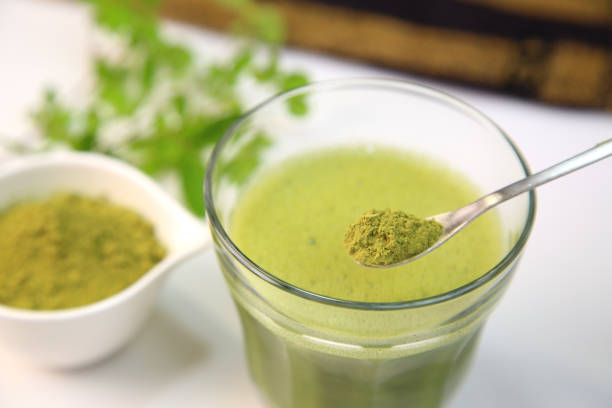
Moringa has moved from health food stores into everyday kitchens across Australia. You’ll now find it as tea bags, loose powder and an ingredient in smoothies and baking. If you’re curious but not sure where to start, this guide covers what moringa is, what it tastes like, and easy ways to use it.
What is moringa?
Moringa comes from Moringa oleifera, a fast growing tree native to the foothills of the Himalayas in northern India and now grown across many tropical regions. It’s sometimes called the drumstick tree, after its long, slender seed pods. The leaves are the part most often eaten. They’re dried and either cut for tea or milled into a fine green powder.
In many parts of South Asia and Africa, moringa leaves have been part of home cooking for generations, added to curries, soups and stir fries much like spinach.
What does it taste like?
Moringa has an earthy, grassy, slightly peppery flavour. If you enjoy green tea or matcha, you’ll find it familiar, though moringa is milder and a little more savoury. As a tea it brews to a light green-gold colour.
Moringa leaf is also naturally caffeine free, which makes it a useful option for people who want a green style tea in the afternoon or evening.
Moringa tea bags vs moringa powder
Tea bags are the easiest way to try moringa. Brew one bag in a cup of water just off the boil for three to five minutes. For a gentler flavour, use slightly cooler water or a shorter steep.
Powder is more versatile. It can be stirred into drinks, blended into smoothies or added to food. Because you consume the whole leaf rather than an infusion, a little goes a long way. Start with a small amount, such as half a teaspoon, and adjust to taste.
Melbourne based Yarra Valley Impex stocks both: pure moringa tea in 50 tea bag packs, and moringa powder in 250 g packs.
Easy ways to use moringa powder
- Smoothies: Blend with banana, mango or pineapple, which balance its earthiness.
- Lattes: Whisk with warm milk and a little honey, the same way you’d make a matcha latte.
- Soups and curries: Stir in near the end of cooking.
- Baking: Add a spoonful to pancakes, muffins or bliss balls for natural green colour.
- Dressings: Mix into yoghurt or tahini dressings.
Moringa and cinnamon
Moringa’s grassy flavour pairs well with a touch of warmth. Try steeping a moringa tea bag with a small piece of Ceylon cinnamon quill, or add a pinch of Ceylon cinnamon powder to a moringa latte. Ceylon cinnamon is sweet and mild, so it softens the earthiness without overwhelming it.
Building a caffeine free collection
If you’re cutting back on caffeine, moringa sits nicely alongside other herbal infusions. Hibiscus is a popular partner. Where moringa is earthy and green, hibiscus is tart and ruby red, so the two give you very different options for evening drinks. For those looking for hibiscus tea Australia wide, Yarra Valley Impex offers hibiscus in both full petals and tea bags.
A note on safety
Moringa is a plant food, but like any herbal product it isn’t right for everyone. If you’re pregnant, breastfeeding, managing a health condition or taking regular medication, check with your doctor or pharmacist before adding moringa to your routine.
Tips for buying moringa online
Buying tea online makes it easier to find pure moringa without fillers. Before you order, check:
- Ingredients. Look for 100% moringa leaf with nothing added.
- Colour. Good powder is a bright, fresh green. Dull, brownish powder is usually old or poorly stored.
- Packaging. Resealable, light blocking packaging helps preserve flavour.
- Storage at home. Keep it airtight, cool and dark, away from the stove.
If you’d like to compare moringa with other herbal and green teas, browsing tea online is a simple way to explore your options.
Moringa is an earthy, caffeine free leaf that works as a gentle tea or a versatile powder. Start with tea bags if you’re new to it, try the powder in smoothies and lattes once you know you like the flavour, and pair it with a little Ceylon cinnamon for extra warmth.