One good love story can change the temperature of an evening. You may start with a few pages after dinner and end up feeling lighter, calmer, or ready to believe in a second chance again.
Romance books affect more than reading habits. They can influence mood, self-care, imagination, relationships, spending choices, and the routines that shape a normal week. Still, fiction isn’t a substitute for honest communication, mental health care, or professional support when you need it.
The impact depends on the reader, the story, and the moment you bring to the page.
How Romance Books Affect Mood, Stress, and Emotional Well-Being
A familiar romance novel can give your mind somewhere else to go after a demanding day. The effect isn’t magic, and it won’t solve a difficult situation, but a focused reading session can interrupt the mental loop of emails, errands, deadlines, and unfinished tasks.
Many readers return to romance because the genre often offers emotional movement. There may be humor, tension, longing, conflict, and a satisfying ending. That structure can feel reassuring when real life is messy and unresolved.
Different stories create different reactions. A light romantic comedy may feel like a reset, while a high-heat, suspenseful, or darker romance may feel energizing. Some readers love that intensity. Others may find it too heavy before bed or during a stressful week.
Reading Romance as a Simple Form of Self-Care
Self-care doesn’t need to involve an expensive routine or a perfect morning schedule. Sometimes it looks like putting your phone down, making tea, and reading two chapters before sleep. The point isn’t finishing a book quickly. It’s creating a calm ritual that belongs to you.
Audiobooks can fit into that rhythm too. Listen during a walk, while folding laundry, or on a commute that usually feels too long. A busy adult with a full-time job and family responsibilities may use 20 minutes of reading to mark the shift between work mode and personal time.
That small transition matters. It tells your brain that the day has changed direction.
Why Hopeful Stories Can Influence Daily Perspective
Romance often returns to a few lasting ideas: people can grow, trust can be rebuilt, and emotional honesty matters. Reading those themes doesn’t turn life into a movie montage, but it can make hope feel easier to notice in ordinary places.
A guaranteed happy ending can be especially comforting during a rough season. You know the characters will face conflict, but you also know the story is moving toward connection instead of leaving you stranded in heartbreak.
Healthy inspiration has limits. It’s fine to enjoy a grand apology or a dramatic declaration of love. It isn’t helpful to use fiction to avoid a hard conversation, ignore a problem, or expect a partner to read your mind.
The Relationship Lessons Romance Stories Can Offer
Romance books can prompt useful reflection because relationships are always at the center of the plot. Readers see characters make choices, misread each other, take risks, apologize badly, apologize well, and decide what they will or won’t accept.
That doesn’t mean a novel will change someone’s behavior. It can, however, give readers language for their own preferences. You may finish a book knowing you value patience, humor, direct communication, or a partner who shows up when things get difficult.
The genre is broad. A sweet contemporary romance, romantic comedy, dark romance, and high-heat novel can portray attraction and conflict in very different ways. What feels entertaining in one story may not feel appealing, or healthy, in real life.
Learning to Notice Communication, Consent, and Boundaries
The strongest love stories usually make room for honest conversations. Characters ask questions, state what they want, respect a no, and take responsibility when they cause harm. Those moments can make a romance feel more satisfying because trust has weight.
At the same time, many popular tropes use possessiveness, power differences, danger, secrecy, or intense conflict to create drama. A billionaire boss, a possessive alpha hero, or a forbidden relationship can be fun on the page without becoming a standard for real-life partnership.
Enjoy the fantasy, but keep your real-world standards clear. Mutual consent, respect for personal limits, safety, and accountability aren’t optional because a fictional character has great chemistry.
How Romance Books Can Support Empathy and Conversation
Reading puts you inside another person’s fears, goals, and mistakes. A character may want love but fear rejection. Another may struggle with family expectations, grief, career pressure, or the fear of losing independence. Those perspectives can make readers pause before assuming they know what someone else feels.
Books can also make conversations easier. Friends can debate favorite tropes, compare fictional couples, or discuss whether a character made the right choice. A book club gives people a low-pressure opening to talk about trust, boundaries, attraction, and commitment.
Reading alone won’t create better relationship skills. It can give you material to think about, but real connection still depends on listening, speaking honestly, and making room for another person’s point of view.
How Romance Reading Can Change Lifestyle Habits and Social Life
A love of romance often changes practical habits first. You may start carrying an ebook on your phone, keeping a paperback in your bag, or planning errands around an audiobook chapter. Reading becomes part of the day instead of something saved for a rare free weekend.
It can also shape how you spend money and use space. Some readers prefer library loans and Kindle Unlimited. Others collect signed editions, hardbacks, or special books with colored page edges. There isn’t one right way to build a reading life.
The best approach fits your budget, schedule, and home. A stack of unread books should feel exciting, not like another obligation.
From Solo Reading to Romance Reader Communities
Romance readers rarely have to search far for recommendations. Book clubs, buddy reads, author newsletters, social media groups, and fan discussions can turn a private hobby into a shared experience. A good recommendation can save you from a reading slump.
Tropes give those conversations a useful shortcut. If you’re in the mood for billionaire bosses, hockey bad boys, rugged cowboys, forbidden love, or romantic comedy, other readers can point you toward stories with the right tone.
Online communities need boundaries too. Protect your privacy, manage screen time, and don’t feel pressure to buy every release that goes viral. Your reading list is allowed to be personal.
Building a Sustainable Reading Routine and Budget
A sustainable reading habit starts with realistic limits. Set a monthly book budget if buying books is part of your routine. Borrow through your local library when possible, use digital holds, and keep track of what you already own before adding another title to the cart.
Format matters as well. Ebooks travel easily and take no shelf space. Paperbacks offer a tactile break from screens. Audiobooks work well when your hands are busy but your mind wants a story.
A satisfying reading life has room for a page-turning escape and the life waiting outside the book.
Reading should add pleasure, not create guilt. You don’t need to finish every book, keep up with every trend, or turn your TBR pile into a competition.
Choosing Romance Books That Fit Your Mood and Values
The right romance depends on what you need that day. A reader with 30 quiet minutes may want fast banter and a familiar trope. Someone with a full weekend may be ready for a longer, emotionally intense story with more conflict and heat.
Pay attention to your boundaries. If you’re tired, grieving, or dealing with a stressful situation, a dark or intense plot may not feel like the right choice. A detailed book description, content notes, and reader reviews can help you decide before you start.
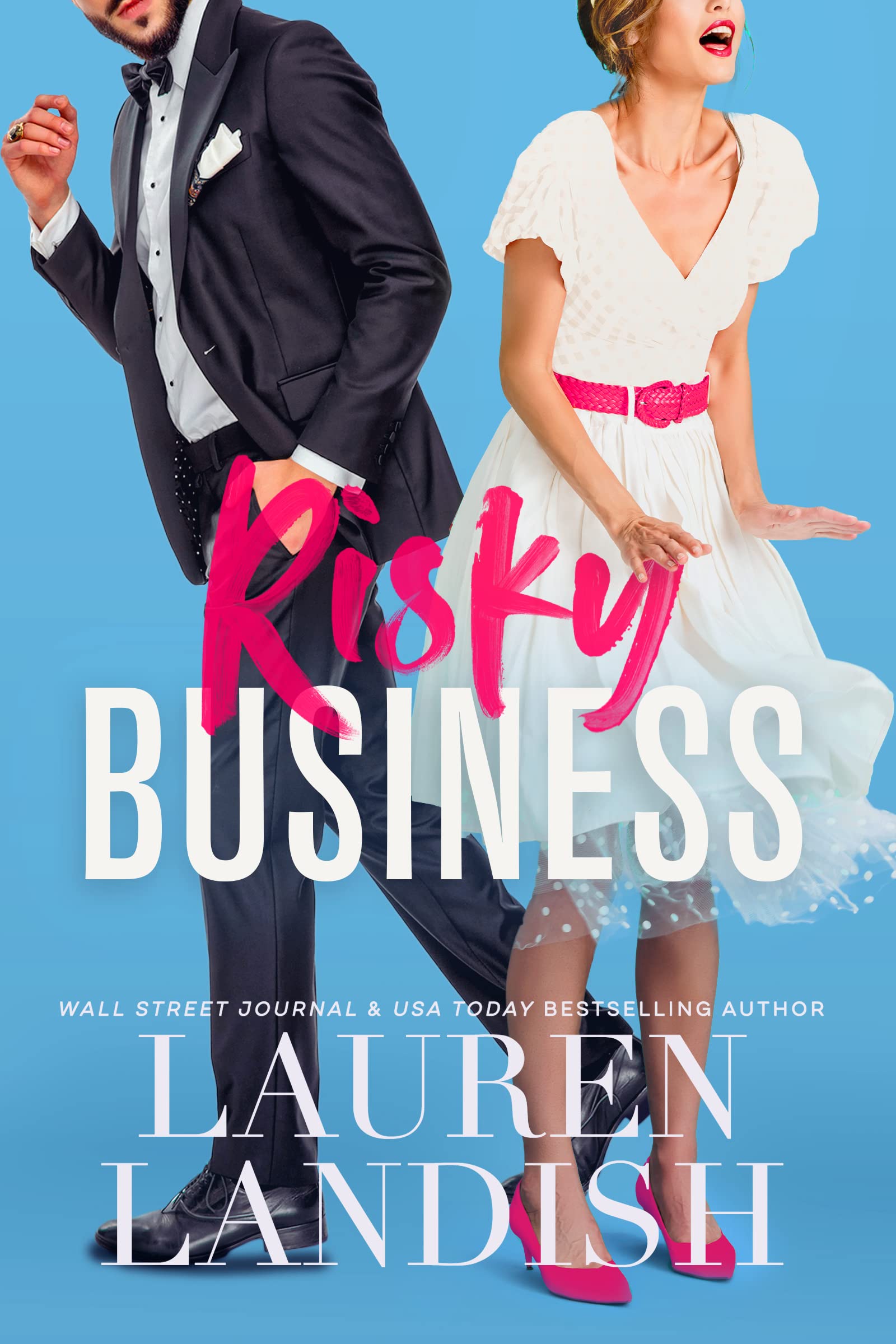
Lauren Landish’s books offer one clear example of mood-based romance reading. Her high-heat, emotionally satisfying contemporary romances pair strong chemistry with happy endings, giving adult readers plenty of options for an escape with both heat and heart.
Using Lauren Landish Books to Explore Different Romance Moods
A romantic comedy can work when you want playful banter and a lighter tone. Steamy romance may fit when you’re looking for stronger chemistry and emotional tension. Forbidden love or darker themes can bring a sharper edge when you’re ready for higher stakes.
Lauren Landish writes across recognizable, reader-loved setups, including billionaire bosses, possessive alpha heroes, hockey bad boys, and rugged cowboys. Those tropes give readers a starting point, especially when they know the kind of fantasy they want.
Before starting any new book, check the description, heat level, content notes, and overall emotional tone. That quick step helps match the story to your mood, not just the cover or the hype.
Balancing Escapism With Real-World Expectations
Escapism is a valid reason to read romance. Fictional chemistry is designed to be concentrated, dramatic, and memorable. Characters get perfect timing, sharp dialogue, and climactic declarations because the story has a destination.
Real relationships work differently. They need patience, practical effort, and conversations that don’t come with a soundtrack. Enjoy the fantasy without judging your own life against a polished fictional moment.
Reading may need a reset if it starts costing you sleep, responsibilities, finances, or important personal connections. A healthy reading habit leaves room for the book and everything else that matters.
Romance Reading Can Be Part of a Balanced Life
Romance books can bring relaxation, emotional reflection, imagination, and connection into everyday routines. Their influence isn’t the same for everyone, and it works best when the story fits your mood, values, and available time.
Choose the books that feel good to read, respect your boundaries, and leave space for real life. The goal isn’t to consume more stories. It’s to enjoy the ones that add something worthwhile to your week.
Lauren Landish’s high-heat contemporary romances, trope-rich stories, and happy endings can be a fun next escape, whether you prefer an ebook, paperback, or a special edition made for your shelf.