Running out of space, dealing with awkward traffic flow, or watching your team work around furniture that doesn’t quite fit, these are signs that your office layout needs attention. A lot of businesses settle for whatever arrangement they started with, but that “temporary” setup often sticks around far longer than intended and quietly chips away at efficiency. Good office space planning gives you a clear, intentional layout that makes the most of what you have and sets your team up to work without unnecessary friction every single day.
Space planning isn’t just about fitting furniture into a floor plan — it’s about understanding how people actually move through a space and what they need access to throughout the day. Where do people tend to gather for quick conversations? Which departments need to be near each other and which benefit from separation? Are there bottlenecks near the printer, the kitchen, or the entry points? These are the questions that a proper planning process answers before a single piece of furniture gets moved or ordered.
The OSHA workstation clearance standards are a practical benchmark for how much space each employee actually needs to work safely and comfortably, something that’s often overlooked when offices are squeezed to fit more desks. Getting the square footage right per person isn’t just a comfort issue; it directly affects focus, collaboration, and long-term employee well-being.
Zoning Your Office Changes Everything
One of the biggest wins that comes out of thoughtful space planning is the creation of distinct zones within a single office. A busy open area for team collaboration doesn’t have to conflict with the need for quiet, focused work as long as the layout is designed to keep those functions separated. Acoustic panels, partial dividers, and furniture placement all play a role in how well different zones coexist without one disrupting the other.
Reception areas, meeting rooms, break spaces, and individual workstations each serve a different purpose, and when they’re positioned correctly relative to each other, the whole office just works better. People don’t have to think about it — they just naturally move through the space in a way that supports what they’re trying to do.
Planning Ahead Saves Money Down the Line
Businesses that skip the planning phase and jump straight to buying furniture often end up making costly corrections later, returning items, reconfiguring layouts, or purchasing additional pieces that could have been anticipated from the start. A proper space plan factors in current headcount, projected growth, the types of tasks your team handles, and the furniture that best supports all of it, so you’re not guessing or reacting.
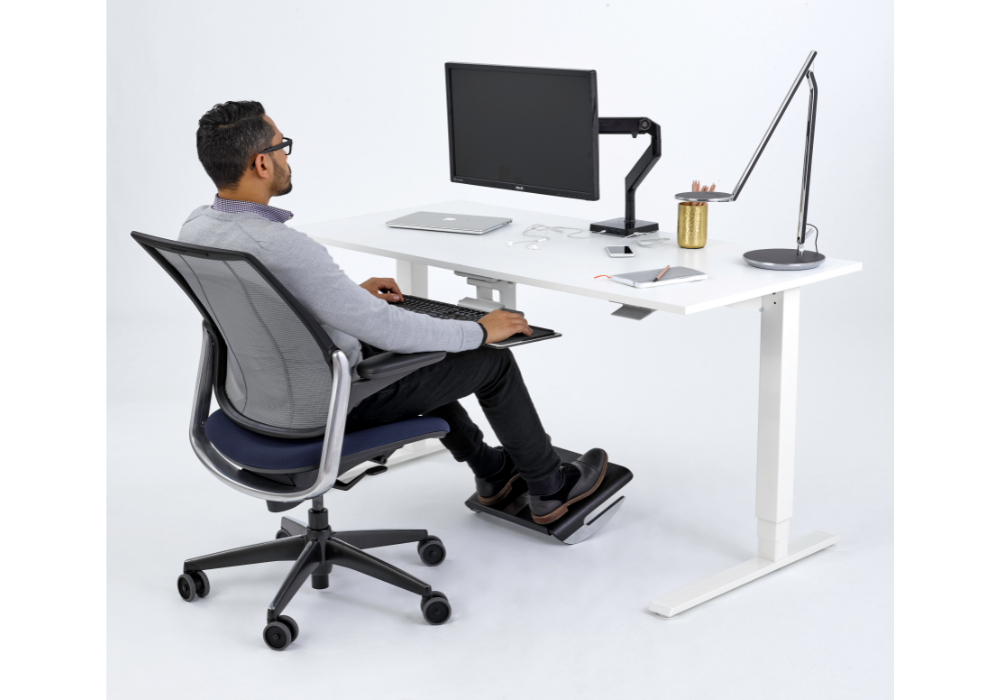
It’s also worth thinking about flexibility. Modular workstations, mobile storage units, and adaptable seating arrangements let you shift things around as your team or your needs evolve — without having to start from scratch. Essential ergonomic workspace recommendations offer useful guidance on how individual workstations should be structured, and that level of detail feeds directly into a strong space plan that works for every person in the office.
If you’ve been putting off a layout review because it feels like a big project, it doesn’t have to be. Starting with a consultation that maps out what you currently have versus what you actually need is often enough to surface the changes that will make the biggest difference without overhauling everything at once.