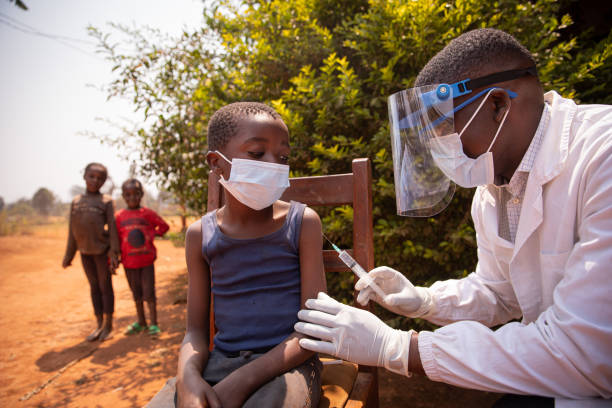
Sub-Saharan Africa is taking a significant step forward in modernizing healthcare as international partnerships drive the expansion of digital health systems across the region.
WHO and EU Launch Major Health Collaboration
The World Health Organization (WHO) and the European Union (EU) have joined forces to advance digitized health systems in sub-Saharan Africa. This collaboration reflects growing global recognition that strong digital infrastructure is essential for resilient and inclusive healthcare systems.
€8 Million Investment to Modernize Healthcare
Under the agreement, the EU has committed €8 million (over ₹800 million) to support the Global Digital Health Certification Network (GDHCN). Announced at the World Health Summit 2025, the initiative focuses on building secure, interoperable digital health records that can be accessed and verified across national borders.
These systems are designed to improve efficiency, accuracy, and trust in health data management.
Lessons From the COVID-19 Pandemic
The project builds on the success of digital COVID health certificates, which proved the value of interoperable health data during a global crisis. By applying these lessons, African health systems aim to strengthen:
-
Pandemic preparedness
-
Vaccination tracking
-
Emergency health responses
Boosting Universal Health Coverage
Experts believe that stronger digital systems can accelerate progress toward universal health coverage (UHC). Digital tools help governments and health providers reach more people, reduce administrative gaps, and deliver care more effectively — even in remote or underserved areas.
Why This Matters
Digital health transformation has the potential to reshape healthcare delivery across Africa. By improving disease surveillance, enhancing data sharing, and making health information more accessible, this initiative could make health systems more resilient and better prepared for future public health challenges.