Most homeowners think about renovations in terms of aesthetics. A fresh coat of paint, updated landscaping, or modern fixtures can certainly improve curb appeal, but some of the most valuable home improvements are the ones that protect the property from future damage.
Exterior upgrades are a prime example. When planned strategically, improvements to a home’s outer structure can increase durability, improve energy efficiency, reduce maintenance costs, and help preserve property value for years to come.
Rather than viewing exterior projects as purely cosmetic, homeowners should consider them part of a long-term protection strategy.
Why the Exterior Matters More Than Many Homeowners Realize
A home’s exterior serves as a shield against countless environmental factors. Rain, wind, sunlight, temperature fluctuations, and debris constantly test the integrity of roofing, siding, gutters, windows, and other structural components.
Even small weaknesses can allow moisture and air infiltration, which may eventually lead to larger issues such as:
- Water damage
- Mold growth
- Insulation deterioration
- Structural weakening
- Increased utility expenses
The condition of the exterior often determines how effectively a home withstands these challenges over time.
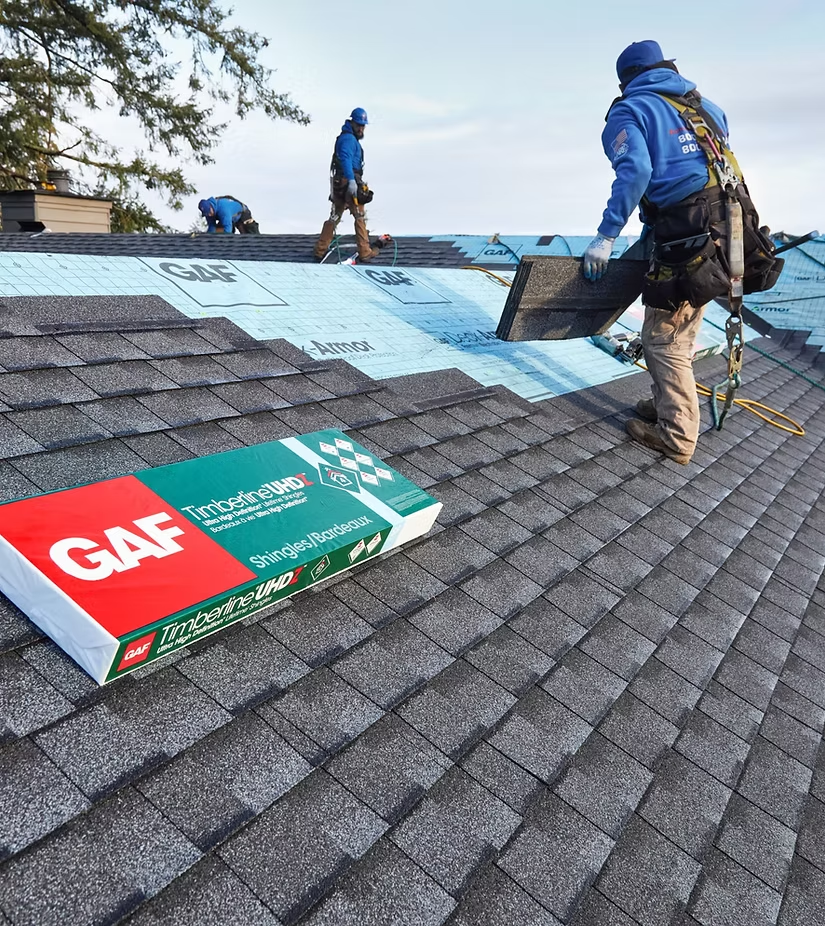
Roofing: The Foundation of Exterior Protection
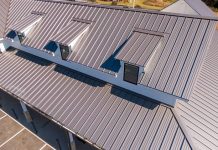
Among all exterior components, the roof plays perhaps the most critical role. It protects everything beneath it while enduring direct exposure to the elements throughout the year.
A well-maintained roofing system helps:
- Prevent leaks
- Improve energy efficiency
- Protect attic insulation
- Reduce the risk of structural moisture damage
- Enhance overall home value
Unfortunately, roofing problems often develop gradually. Minor damage can remain unnoticed until visible signs appear inside the home.
For this reason, regular inspections and preventative maintenance are essential. Homeowners who address issues early are often able to avoid more extensive repairs later.
Siding as a Defensive Barrier
Siding is another major contributor to a home’s durability. Beyond its visual impact, siding protects the structure from moisture intrusion and helps regulate indoor temperatures.
Modern siding materials are designed to withstand years of exposure while requiring relatively little maintenance. However, even durable materials can suffer damage from severe weather, impact events, or aging.
Common signs that siding may need attention include:
Visible Cracks or Warping
Damaged panels can allow moisture to reach underlying materials.
Fading and Discoloration
While often cosmetic, excessive fading may indicate material deterioration.
Increased Energy Bills
Compromised siding can reduce insulation effectiveness and allow conditioned air to escape.
Routine inspections help identify these issues before they escalate into more expensive concerns.
The Importance of Proper Water Management
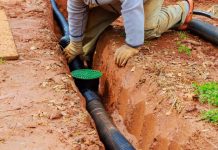
Water is one of the most destructive forces a home can face. Effective drainage systems are essential for directing rainwater away from vulnerable areas.
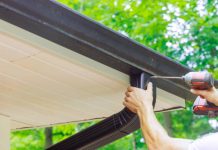
Gutters and downspouts are frequently overlooked until they become clogged or damaged. Yet these systems play a vital role in protecting:
- Foundations
- Landscaping
- Siding
- Roofing components
- Basement areas
When water is not properly managed, it can pool around the home and contribute to long-term structural problems.
Keeping drainage systems clean and functioning correctly is one of the simplest preventative maintenance steps homeowners can take.
Energy Efficiency Starts Outside
Many homeowners focus on heating and cooling equipment when looking for energy savings. While HVAC systems are important, exterior components often have a significant impact on energy performance.
Roofing materials, siding, insulation, ventilation, and window quality all influence how effectively a home retains conditioned air.
When exterior systems work together properly, homeowners may benefit from:
- More consistent indoor temperatures
- Reduced HVAC workload
- Lower utility costs
- Improved year-round comfort
Investing in exterior improvements can therefore provide both immediate and long-term benefits.
Choosing Quality Workmanship for Lasting Results
The effectiveness of any exterior project depends heavily on the quality of installation. Even premium materials may fail to deliver expected performance if installed incorrectly.
Homeowners evaluating potential projects should focus on:
- Experience and expertise
- Attention to detail
- Material quality
- Long-term durability
- Maintenance requirements
Understanding these factors can help ensure that improvements provide lasting value rather than temporary solutions.
For those researching exterior renovation strategies and learning more about professional approaches to roofing and home protection, resources such asIdeal Roofing and Exteriors company can offer useful context regarding industry standards and exterior improvement considerations.
Building a Preventative Maintenance Mindset
One of the most effective ways to protect a home is to shift from reactive repairs to preventative care.
Instead of waiting for visible problems, homeowners can establish a simple maintenance schedule that includes:
- Seasonal roof inspections
- Gutter cleaning
- Exterior visual assessments
- Siding evaluations
- Storm damage checks
- Ventilation reviews
Small maintenance efforts performed consistently can significantly extend the lifespan of major exterior systems.
Conclusion
Exterior upgrades should be viewed as investments in protection, performance, and long-term value. While visual improvements certainly enhance curb appeal, their true importance lies in preserving the home’s structural integrity and helping prevent costly future repairs.
By maintaining roofing, siding, drainage systems, and other critical exterior components, homeowners can create a more resilient property that performs better through every season. A proactive approach today can help avoid major challenges tomorrow while ensuring that the home remains comfortable, efficient, and well-protected for years to come.