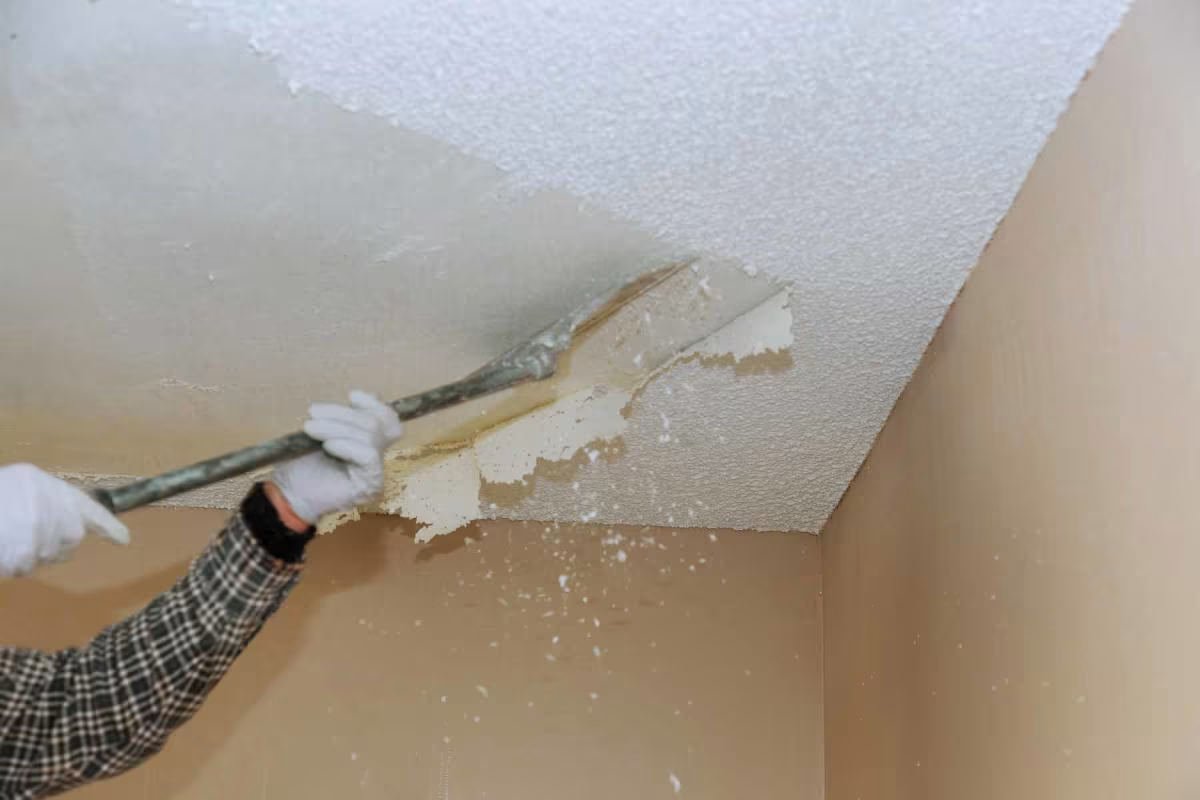
For decades, the “popcorn” or acoustic ceiling was a staple of American interior design. From the late 1950s through the 1980s, these bumpy surfaces were the go-to solution for developers in Chicago’s rapidly expanding suburbs and high-rise developments alike. They offered a quick way to hide imperfections in drywall finishing and provided a modest level of sound dampening. However, as we move further into the 21st century, the aesthetic and functional demands of the modern home have shifted dramatically. Today, those once-fashionable textures are increasingly viewed as dated relics that diminish a home’s value and complicate maintenance.
If you are currently looking up popcorn ceiling removal chicago, you likely already understand the visual weight these ceilings can add to a room. They trap shadows, collect dust, and often make a space feel smaller and more enclosed. Transitioning to smooth, sleek ceilings isn’t just about following a trend; it is about reclaiming the architectural integrity of your living space and creating a brighter, cleaner environment.
The Hidden Burdens of Textured Ceilings
The most immediate issue with popcorn ceilings is their physical composition. The texture is created using a spray-on or paint-on treatment that contains small particles of vermiculite or polystyrene. Because the surface is incredibly porous and irregular, it acts like a magnet for airborne particles. In a bustling city environment like Chicago, where urban dust and seasonal allergens are common, these ceilings become a permanent trap for debris that is nearly impossible to clean. Attempting to vacuum or wipe a popcorn ceiling often results in the texture crumbling, creating an even bigger mess.
Beyond the cleanliness factor, there is the issue of lighting. Modern interior design relies heavily on the play of light to create depth and warmth. Popcorn ceilings create thousands of tiny shadows across the surface of the room. This “static” prevents light from bouncing naturally, often resulting in a dingy or gray appearance even when the room is well-lit. By removing this texture, homeowners allow light to reflect smoothly across the ceiling, which instantly makes rooms feel taller and more expansive.
Assessing the Safety and Scope of the Project
Before diving into a renovation, it is vital to understand what lies beneath the surface. For many older Chicago residences, specifically those built or renovated before 1979, there is a possibility that the texture contains asbestos. While the EPA banned the use of asbestos in ceiling textures in the late 70s, existing inventories were allowed to be used up, meaning even homes built in the early 80s should be tested.
Professional removal begins with a thorough assessment. If asbestos is present, the process requires specialized abatement procedures to ensure that fibers do not become airborne. Even in homes free of hazardous materials, the removal process is intensive. It involves saturating the texture, carefully scraping the material away without gouging the underlying drywall, and then performing a high-level “skim coat” to ensure the new surface is perfectly level. This is often where DIY projects falter; achieving a gallery-smooth finish requires a level of craftsmanship that only experienced professionals can provide.
The Value of Professional Interior Restoration
When you decide to modernize your home, you are doing more than just scraping away old paint. You are investing in the long-term viability of your property. In the competitive Chicago real estate market, buyers are increasingly savvy. They look for “turn-key” properties where they won’t have to deal with the mess and expense of updating outdated finishes. A smooth ceiling is a hallmark of a well-maintained, high-end home.
Working with a dedicated team for your interior remodeling needs ensures that the transition from old to new is seamless. It isn’t just about the ceiling; it’s about how that ceiling interacts with your walls, your crown molding, and your overall lighting scheme. Often, once the popcorn is removed, homeowners realize it is the perfect time to update their recessed lighting or add architectural details that were previously hidden by the distracting texture.
Navigating the Renovation Process in an Urban Environment
Chicago homes present unique challenges for renovation. Whether you are in a historic bungalow in Logan Square or a modern condo in the Loop, the logistics of dust containment and waste disposal are significant. Professional crews utilize high-efficiency particulate air (HEPA) filtration and specialized masking techniques to ensure that the rest of your home remains pristine while the work is being done.
Furthermore, once the texture is gone, the “taping and mudding” phase begins. This is the most critical step. Since the original builders used the popcorn texture specifically to hide poor drywall work, once it is removed, you will likely find uneven joints, visible nails, and patches. A professional finish involves applying multiple thin layers of joint compound, sanding between each, to create a surface that is as smooth as glass. This provides the perfect canvas for high-quality paint, allowing you to choose finishes, like eggshell or satin, that would have been impossible with a textured ceiling.
Integrating the New Look with Your Home’s Aesthetic
Removing popcorn ceilings is frequently the first step in a larger vision for a home. Many clients find that once the ceilings are cleared, the rest of the room’s flaws become more apparent. This is the ideal moment to consider a broader home renovation strategy. When the ceilings are being worked on, the furniture is already moved or covered, making it the most cost-effective time to address wall repairs, baseboard replacements, or even floor refinishing.
A clean, flat ceiling provides a “blank slate” that complements any design style, from the ultra-minimalist to the classic Chicago Victorian. It allows your furniture and artwork to take center stage rather than the ceiling competing for attention. Moreover, for those interested in kitchen and bathroom updates, the ceiling is often the most neglected surface. In high-moisture areas like bathrooms, popcorn texture can trap humidity, leading to mildew growth. Transitioning to a smooth, moisture-resistant paint finish is not just an aesthetic choice here, it’s a functional necessity for the health of your home.
Making the Transition
Deciding to move forward with a ceiling transformation is a significant step toward modernizing your living space. It is a project that yields immediate results, both in terms of visual appeal and the “feel” of the air in your home. By removing the literal and figurative weight of the past, you open up your home to a brighter, cleaner, and more sophisticated future.
If you are ready to see your home in a new light, the process starts with a consultation to determine the best path forward for your specific architecture. Whether you are dealing with a single room or an entire multi-story residence, the goal remains the same: professional execution, a clean workspace, and a finished product that adds tangible value to your Chicago home. Don’t let dated textures hold back the potential of your property; embrace the clarity and elegance of modern interior design