Protecting your home is often a matter of looking upward. While we invest significant energy into interior design, landscaping, and smart home technology, the most critical component of a property’s structural integrity remains the roof. It is the primary barrier against the elements, a key factor in energy efficiency, and a major contributor to curb appeal. Understanding the nuances of high-quality roofing is essential for any homeowner looking to make a lasting investment in their sanctuary.
The philosophy of a well-built home begins with the realization that a roof is not merely a collection of shingles; it is a complex engineering system designed to shed water, resist wind, and regulate temperature. When this system fails, the repercussions ripple through the entire structure, leading to costly repairs and diminished property value.
The Evolution of Residential Roofing Materials
In decades past, the choices for roofing were relatively limited. Homeowners generally chose between standard asphalt shingles or, if the budget allowed, heavy slate or wood shakes. Today, the industry has undergone a technological revolution. Materials are now engineered for specific climates, longevity, and environmental impact.
Synthetic Innovation and Durability
Modern synthetic materials have bridged the gap between aesthetics and performance. Composite shingles can now mimic the look of natural slate or cedar while offering superior impact resistance. These materials are often lighter, making them easier on a home’s structural frame, yet they boast fire ratings and wind resistance that far exceed traditional organic options.
The Metal Roofing Resurgence
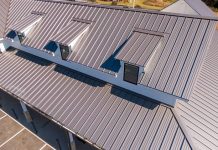
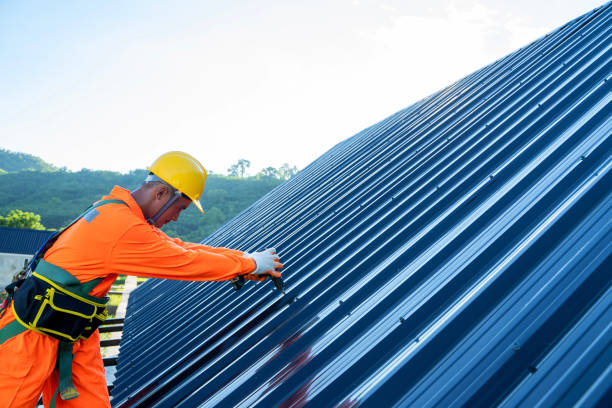
Once reserved for commercial buildings or rural barns, metal roofing has become a premier choice for residential neighborhoods. Its longevity is nearly unparalleled, often lasting 50 years or more with minimal maintenance. Furthermore, metal reflects solar radiant heat, which can reduce cooling costs by as much as 25% during the height of summer.
Asphalt: The Reliable Standard
Asphalt shingles remain the most popular choice due to their cost-effectiveness and ease of installation. However, even “standard” shingles have evolved. Architectural or laminated shingles provide a three-dimensional look and better wind resistance than the flat three-tab shingles of the past. For many, maze-roofing represents the ideal balance of selecting these modern materials and ensuring they are installed with precision to maximize their lifespan.
Identifying the Subtle Signs of Roof Fatigue
Most homeowners only think about their roof when a leak appears. By that point, the damage is often extensive. Developing an “eye for excellence” means identifying signs of wear before they become emergencies.
- Granule Loss: If you notice a sandy substance in your gutters, your shingles are losing their protective coating. This exposes the asphalt to UV rays, causing it to become brittle and crack.
- Flashing Compromise: The metal pieces around chimneys, vents, and valleys are the most common points of failure. If the sealant is peeling or the metal is rusted, water is likely seeping into the roof deck.
- Interior Indicators: Peeling paint near the ceiling or dark spots on the attic rafters are clear indicators that the moisture barrier has been breached.
Strategic maintenance is always more affordable than a total replacement. By engaging in a roof inspection service, you can catch these minor issues before they compromise the underlying wood structure of your home.
The Intersection of Ventilation and Energy Efficiency
A roof’s performance is heavily dictated by what happens underneath it. Proper attic ventilation is the “unsung hero” of home maintenance. Without a balanced system of intake and exhaust vents, heat and moisture become trapped in the attic space.
In the winter, trapped heat can lead to ice damming. This occurs when the warmth from the house melts the snow on the roof, which then refreezes at the cold eaves, creating a dam that forces water back under the shingles. In the summer, an overheated attic acts like a giant radiator, forcing your air conditioning system to work overtime.
Effective roofing systems utilize a ridge vent and soffit vent strategy to create a continuous flow of air. This passive cooling method preserves the life of the shingles and keeps your indoor climate stable. If you are noticing high utility bills, it may be time to consult with a professional roofing contractor to evaluate your attic’s airflow.
Choosing the Right Partner for Your Installation
The best materials in the world will fail if they are installed incorrectly. Roofing is a labor-intensive craft that requires a deep understanding of local building codes, weather patterns, and manufacturer specifications.
When selecting a company, it is vital to look beyond the initial quote. A “cheap” roof often becomes the most expensive one over a ten-year period due to recurring leaks and poor insulation. You want a team that prioritizes safety, carries comprehensive insurance, and offers a robust warranty on both materials and workmanship.
The installation process should be transparent. From the initial tear-off of old materials to the final magnetic sweep for stray nails, every step matters. High-quality firms will ensure that the roof deck is inspected for rot before new underlayment is applied. This attention to detail is what separates a temporary fix from a generational investment.
Sustainability and the Future of Roofing
As we look toward the future, roofing is becoming increasingly “green.” Many manufacturers now offer “cool roof” shingles that contain reflective granules. These are designed to stay cooler in the sun, reducing the “urban heat island” effect and lowering the carbon footprint of individual homes.
Additionally, recycling programs for old asphalt shingles are becoming more common. Instead of heading to a landfill, old roofing material is often ground down and used in road paving projects. Homeowners who prioritize environmental stewardship can now choose products that are both durable and ecologically responsible.
If you are considering an upgrade that integrates both technology and sustainability, exploring high-efficiency roofing solutions can provide long-term financial and environmental benefits.
Conclusion: Investing in Peace of Mind
Your roof is more than just the top of your house; it is the lid on your most valuable asset. Whether you are dealing with the aftermath of a storm or simply planning for the future, the quality of your roofing system dictates the longevity of your home.
By choosing superior materials like those found at maze-roofing, maintaining proper ventilation, and acting on early signs of wear, you ensure that your home remains a safe, dry, and efficient environment for years to come. Do not wait for the rain to tell you that your roof needs attention proactive care is the hallmark of a wise homeowner..