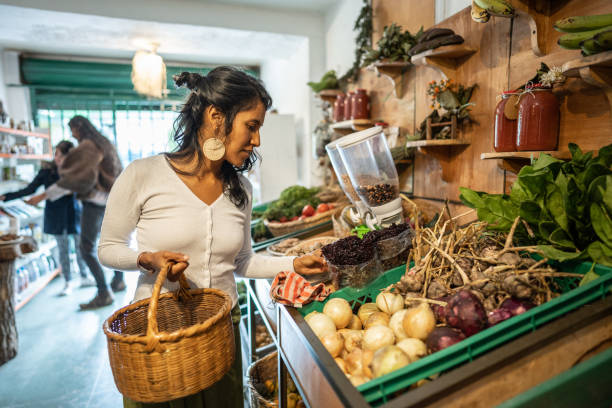
Latin America’s food scene is undergoing a noticeable transformation as vegan and plant-based dining options expand rapidly across the region. What was once a niche movement is now becoming mainstream, reshaping menus, restaurants, and consumer habits.
Plant-Based Food Goes Mainstream
Recent trends show a strong rise in vegan-friendly restaurants and food options across major Latin American cities. Traditional eateries are increasingly adding plant-based dishes, while fully vegan restaurants are opening in urban centers such as Mexico City, São Paulo, Buenos Aires, and Santiago.
This shift reflects changing attitudes toward food and health across the region.
Young Consumers Drive the Change
Gen Z and Millennial consumers are leading the plant-based movement. Their food choices are strongly influenced by:
-
Health and wellness awareness
-
Environmental sustainability
-
Animal welfare concerns
Many younger diners are reducing meat consumption or adopting flexitarian and vegan diets, encouraging restaurants and food brands to adapt quickly.
Local Flavors Meet Vegan Innovation
Rather than replacing traditional cuisine, chefs are reinventing classic Latin American dishes using plant-based ingredients. Popular examples include:
-
Vegan tacos and empanadas
-
Dairy-free desserts
-
Plant-based versions of regional comfort foods
This approach helps vegan food feel familiar while appealing to a broader audience.
Impact on the Food Industry
The growth of vegan dining is influencing:
-
Restaurant menus and food service models
-
Food production and ingredient sourcing
-
Startup innovation in plant-based alternatives
Local food businesses are finding new opportunities by catering to health-conscious and sustainability-focused consumers.
Why This Matters
The rapid rise of vegan dining signals a cultural shift in Latin America’s food habits. As demand continues to grow, the region could play a larger role in shaping global plant-based food trends, from agriculture to restaurant innovation.