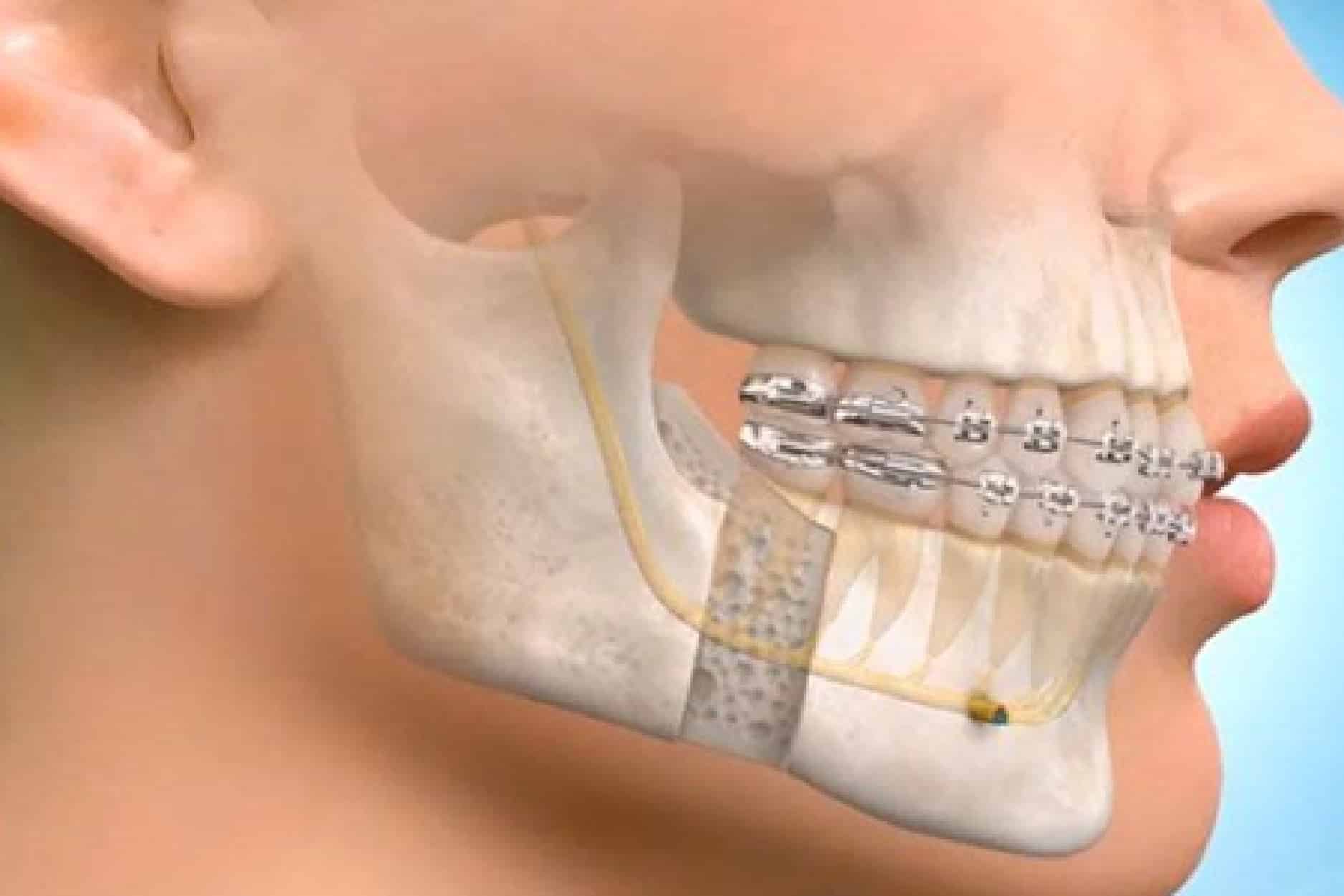
For many patients dealing with jaw pain, bite problems, or facial imbalance, the biggest challenge is not just the symptoms—it’s understanding what kind of treatment is actually needed. Jaw-related conditions can vary widely in cause and severity, which makes decision-making one of the most important parts of the entire process.
Unlike straightforward medical issues, jaw and facial conditions often require a deeper level of evaluation before a clear treatment path can be established. This is because the jaw is part of a highly interconnected system where structure and function must work together.
Why Jaw Conditions Are Often Difficult to Diagnose
One of the main reasons patients struggle to find answers is that jaw problems don’t always present clearly. The same symptom can have multiple causes.
For example:
- Jaw pain could be muscular, joint-related, or structural
- Headaches may be linked to bite imbalance or muscle strain
- Clicking sounds might be harmless or a sign of joint damage
- Bite changes could result from tooth movement or joint degeneration
Because of this overlap, many patients go through multiple treatments before the root cause is identified.
The Importance of a Comprehensive Evaluation
Before deciding on any treatment—especially surgical intervention—a detailed evaluation is essential. This process goes beyond a basic dental exam and focuses on the entire facial system.
Key areas typically assessed include:
1. Jaw Alignment
Understanding how the upper and lower jaws relate to each other helps identify structural imbalances.
2. Bite Function
The way teeth meet affects how forces are distributed across the jaw and joints.
3. Joint Health (TMJ)
Evaluating the temporomandibular joint is critical, as joint issues can influence jaw position and movement.
4. Facial Symmetry
Subtle asymmetries can indicate deeper skeletal or joint-related problems.
5. Airway Considerations
In some cases, jaw structure may affect breathing, especially during sleep.
A complete evaluation ensures that treatment is based on the actual cause rather than just the symptoms.
Understanding Treatment Options
Once a diagnosis is made, treatment options can vary depending on the complexity of the condition.
Non-Surgical Approaches
These may include:
- splints or night guards
- orthodontic treatment
- physical therapy
- medication for inflammation or pain
These methods are often effective for mild or moderate cases.
Surgical Solutions
When structural issues are involved, surgical treatment may be recommended. This is especially true in cases such as:
- severe jaw misalignment
- advanced TMJ disorders
- facial deformities
- airway-related issues
Surgical procedures aim to correct the underlying structure so that the jaw, joints, and muscles function together properly.
Why Timing Matters
Another important factor in decision-making is timing. Some patients delay treatment because symptoms seem manageable at first. However, certain conditions—especially those involving joint degeneration—can worsen over time.
Delaying evaluation may lead to:
- increased joint damage
- more noticeable facial changes
- worsening bite instability
- more complex treatment requirements later
Early assessment can help prevent progression and simplify treatment in some cases.
The Role of Experience in Treatment Planning
Because jaw conditions can involve multiple systems, treatment planning requires a high level of expertise. It’s not just about performing a procedure—it’s about understanding how each part of the facial system interacts.
Patients with complex conditions often seek guidance from an experienced Maxillofacial Surgeon who can evaluate structural, functional, and joint-related factors together to develop a comprehensive plan.
Setting Realistic Expectations
An important part of the decision-making process is understanding what treatment can realistically achieve.
Patients should consider:
- the goals of treatment (function, comfort, stability)
- the recovery process and timeline
- the potential for long-term improvement
- the importance of follow-up care
Clear expectations help patients feel more confident and prepared for the journey ahead.
Final Thoughts
Choosing the right approach for jaw-related problems is not always straightforward. Because the jaw is part of a complex system involving bones, joints, muscles, and airway structures, effective treatment requires careful evaluation and planning.
By focusing on the root cause and considering both structure and function, patients can make informed decisions that lead to more stable and lasting outcomes