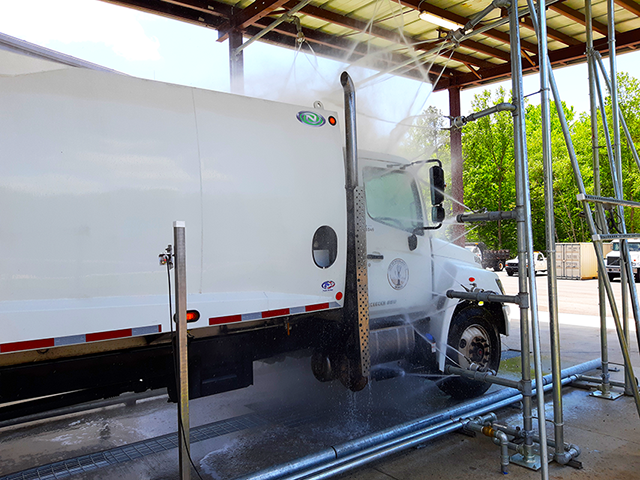
The commercial vehicle wash industry offers a compelling opportunity. Fleets of trucks, buses, delivery vehicles, and RVs all need regular cleaning, and demand is steady and recurring. For entrepreneurs looking to enter a durable, service-based market, a truck wash business can be a strong move. But success depends on planning the right way from the start. Here’s a practical overview of what it takes.
Understand the Market and Demand
Before investing, study the demand in your area. Look for concentrations of fleet activity: distribution centers, trucking corridors, transit depots, delivery hubs, and industrial zones. Identify who needs washing — private fleets, transit agencies, delivery services, owner-operators — and how often. Understanding local demand, the competition, and the pricing customers will accept is the foundation for a viable business plan.
Choose Your Business Model
Commercial wash businesses generally fall into a few models:
- Fixed-site wash facility where customers bring their vehicles to you
- Mobile wash service that travels to customer fleets and yards
- Contract washing for specific fleet clients on a recurring schedule
Many successful operators combine models or start with one and expand. Your choice affects your equipment needs, your site requirements, and your sales approach, so decide early based on the demand you’ve identified.
Select the Right Location and Site
For a fixed facility, location is critical. You’ll want accessibility for large vehicles, adequate space for the wash system and vehicle queuing, proper utilities, and compliance with local zoning and wastewater regulations. Drainage and water management are especially important for commercial washing, so factor environmental requirements into your site planning from the beginning.
Invest in the Right Equipment
Equipment is the heart of the business, and the right system determines your speed, quality, and capacity. Key considerations include:
- Throughput: How many vehicles you need to wash per hour or per day
- Vehicle mix: The sizes and types you’ll serve, from shuttles to semis to RVs
- Configuration: Drive-through tunnel, roll-over gantry, or specialized setup
- Durability: Corrosion-resistant construction that withstands heavy daily use
- Efficiency features: Water recycling and effective detergents to control operating costs
Choosing reliable, well-engineered equipment up front protects you from downtime and costly repairs later — and reliability is what keeps customers coming back.
Plan for Operating Costs and Efficiency
Profitability depends on managing recurring costs: water, chemicals, energy, labor, and maintenance. Efficiency-focused features pay off here. Water recycling reduces utility expenses, automated cycles control labor costs, and quality detergents clean effectively without waste. Build these into your model so your margins hold up as volume grows.
Understand Compliance Requirements
Commercial washing is subject to environmental regulations, particularly around wastewater discharge. Depending on your customers, you may also need to meet hygiene standards — for example, trailer interior washouts for food haulers. Understanding and meeting these requirements protects your business and can become a selling point with quality-conscious clients.
Partner with Experienced Equipment Specialists
One of the smartest moves a new operator can make is partnering with an equipment provider who understands the industry and can guide system selection, configuration, and setup. The right partner helps you size your investment correctly, avoid costly missteps, and launch with equipment built to perform.
Launch Your Wash Business with LazrTek
LazrTek engineers advanced, configurable wash systems for entrepreneurs building vehicle wash businesses — from truck and bus washes to delivery vehicle and RV systems. We’ll help you choose equipment matched to your market, model, and growth plans.
Request a custom quote or call (469) 536-8478 to discuss your business. Email contact@lazrtek.com to get started.