Architecture practices manage a constant tension between creative work and business operations. Principals spend years developing design skills, then find themselves managing project budgets, billing disputes, and team utilization questions that have nothing to do with design. The right software stack doesn’t eliminate that tension, but it reduces the administrative friction enough that principals can focus on the work that actually requires their expertise.
At the center of that stack is time management for architects — software that tracks how hours are spent across projects, phases, and team members, and translates that data into the reports needed for invoicing, project reviews, and future estimates.
The Core Problem: Hours Don’t Track Themselves
Architecture firms that rely on end-of-week memory-based timesheets consistently under-report hours. Studies of professional services firms suggest that reconstructed time logs capture 70–80% of actual billable time — which means firms operating this way are effectively discounting every invoice by 20–30% without knowing it. Real-time or same-day logging closes that gap significantly.
The software you choose needs to make logging fast enough that it becomes a habit rather than a chore. That means mobile access for site visits, timer functionality for long working sessions, and a task structure that mirrors how the firm actually organizes its work.
Project Phase Tracking
Architectural projects move through defined phases — schematic design, design development, construction documents, bidding, and construction administration. Each phase has a budget allocation, and each needs to be tracked separately. Software that only tracks time at the project level can’t tell you whether you’re burning through your SD budget before you’ve even started DD.
For firms also managing construction projects directly, construction project time tracking adds field-level labor visibility to the same system — so office hours and site hours live in one report rather than two separate spreadsheets.
Staff Utilization and Capacity
Growing architecture firms face a recurring capacity problem: too much work in some months, too little in others, and no reliable way to predict which is coming. Accurate time tracking is the foundation of utilization reporting — you can’t manage capacity you can’t measure.
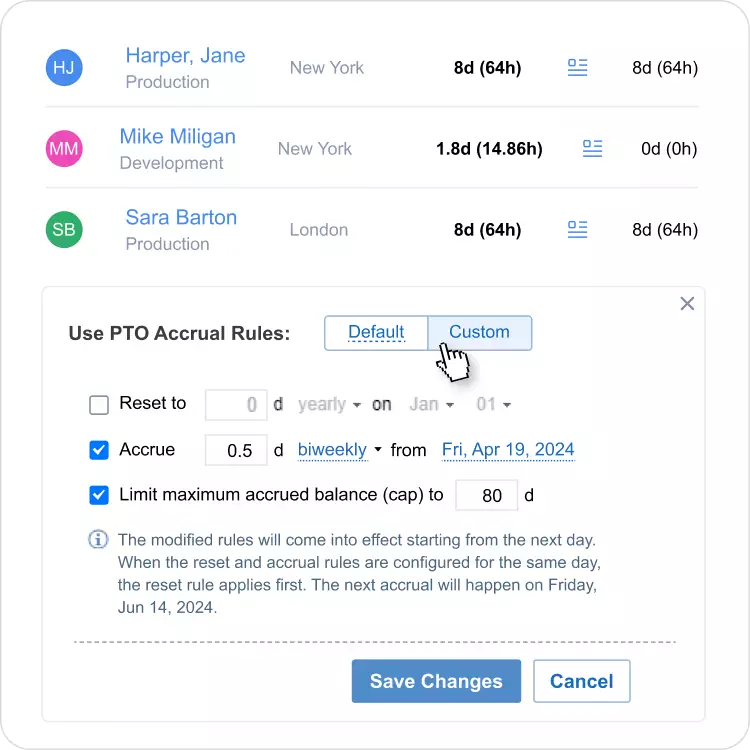
When leave management is integrated with time tracking, capacity becomes even clearer. Tools like actiPLANS show planned absences alongside project workloads so practice managers can spot resource gaps before they affect delivery, not after.
What to Prioritize in Your Evaluation
When evaluating software, prioritize: project and phase structure that mirrors your fee agreements, ease of daily time entry for all staff levels, reporting that outputs directly to your billing format, and a pricing model that doesn’t penalize you for adding junior staff. Avoid tools that require significant customization before they fit your workflow — the best fit should be obvious within the first trial week.