A central heating and cooling unit represents one of the largest financial investments in any home or facility. While most residential and commercial units are designed to last between 15 and 20 years, premature mechanical failure frequently occurs due to neglected care and excessive operational strain. Prioritizing regular HVAC maintenance keeps your equipment running smoothly, reduces monthly power consumption, and protects sensitive electrical components from early failure. By taking a proactive approach to caring for your heating and cooling setup, you can maximize your system’s operational lifespan while avoiding costly emergency repairs.
Over time, dust accumulation, neglected air filters, and unsealed duct leaks force your system’s compressor and blower motor to work significantly harder to maintain target indoor temperatures. This unnecessary friction accelerates physical wear, increases static pressure, and lowers overall thermal efficiency across every season. Understanding the core factors that impact heating and cooling equipment health empowers property owners to implement smart upkeep habits that preserve performance, maintain comfort, and deliver long-term financial savings.
The True Cost of Neglecting Your Heating and Cooling Equipment
When essential heating and cooling components operate without routine servicing, minor operational issues quickly compound into major mechanical breakdowns. Operating a stressed system shortens equipment longevity and inflates utility expenses month after month.
Primary Drivers of Early Equipment Failure
- Restricted Airflow: Clogged air filters and debris-filled ductwork increase static pressure, forcing fan motors to draw excessive amperage.
- Corroded Evaporator Coils: Dirt accumulation on moist coil surfaces forms an insulating barrier that hinders heat exchange and triggers compressor freezing.
- Overheated Compressors: Extended runtime under high load conditions causes internal thermal breakdown, leading to expensive motor failures.
Key Takeaway: Mechanical stress is the leading cause of premature HVAC replacement. Keeping air channels clean and components lubricated reduces internal strain and adds years to your equipment’s operational life.
3 Core Pillars of Proactive HVAC Maintenance
Extending the service life of your heating and cooling equipment requires a comprehensive care strategy that addresses mechanical components, filtration, and ductwork integrity.
| System Care Level | Neglected HVAC Setup | Properly Maintained HVAC Setup |
|---|---|---|
| Average Operational Lifespan | 8 to 12 years before major failure | 15 to 20 years of reliable service |
| Energy Consumption Rates | 15% to 30% higher utility bills | Baseline optimal power usage |
| Repair Frequency | High risk of compressor/motor burnout | Low risk of emergency breakdowns |
| Airflow Performance | High static pressure and hot spots | Balanced airflow across all zones |
| Component Stress | Continuous thermal overwork | Smooth, manufacturer-specified operation |
1. Maintaining Clean Ductwork and Unrestricted Airflow
Your duct system acts as the respiratory network for your entire HVAC setup. Dust, pet hair, and debris buildup inside duct runs create airflow resistance that forces blower motors to strain continuously:
- Clear Internal Dust Buildup: Professional duct cleaning removes physical obstructions, restoring smooth air movement across supply and return channels.
- Lower Static System Pressure: Eliminating air resistance allows your blower fan to operate at optimal speeds with minimal electrical draw.
- Prevent Component Dust Contamination: Clean air channels stop dust from settling back onto sensitive internal electrical relays and motor bearings.
2. Protecting Critical Electrical and Mechanical Components
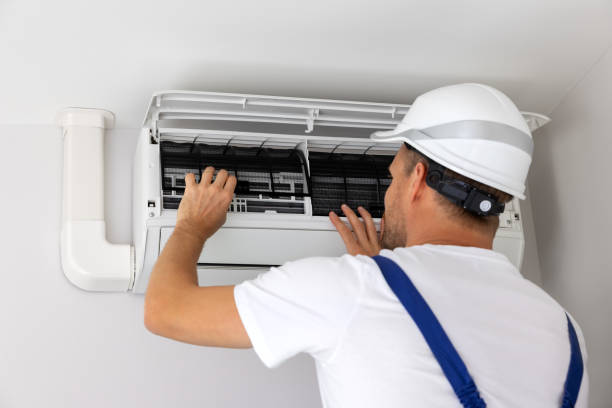
Routine professional tune-ups focus on inspecting and servicing heavy-duty components that bear the brunt of operational workload:
- Lubricate Moving Motors: Ensuring motor bearings remain properly lubricated prevents friction buildup and stops premature overheating.
- Tighten Electrical Connections: Inspecting wiring harnesses prevents dangerous electrical shorts and voltage spikes.
- Calibrate Thermostat Accuracy: Precise temperature sensors prevent unnecessary continuous cycling that wears out startup capacitors.
3. Servicing Coils and Refrigerant Circuits
Evaporator and condenser coils transfer thermal energy between your home’s interior and the outside environment. When dirt coats these metal fins, heat transfer slows down dramatically, forcing your compressor to run longer cycles to reach target temperatures. Keeping coils clean preserves optimal thermodynamic performance.
Step-by-Step Checklist for Maximum Equipment Longevity
Following a structured seasonal upkeep schedule ensures every critical component receives attention before peak heating or cooling demands arrive.
- Replace Air Filters Every 60 to 90 Days: Swap out standard air filters regularly—or every 30 days if you own pets, to maintain steady airflow across coils.
- Keep Outdoor Units Clear: Clear away leaves, grass clippings, weeds, and debris within a two-foot radius around your exterior condenser unit.
- Schedule Bi-Annual Tune-Ups: Have a certified technician inspect heating components in autumn and cooling components in spring to catch minor wear early.
- Seal Leaky Ductwork: Professional duct sealing prevents conditioned air from escaping into unconditioned attics or crawlspaces, reducing overall system workload.
Pro Tip: Combine regular filter replacements with annual duct inspections. Clean filters stop incoming dust, while clean ductwork ensures your blower motor never runs against high static pressure.
Long-Term Financial and Efficiency Returns
Investing in routine upkeep pays immediate dividends through lower energy costs and delayed replacement expenses.
Running a clean, well-calibrated heating and cooling system lowers monthly power bills by up to 20% compared to an unmaintained unit operating under strain. Furthermore, extending your system’s operational life from 10 years to 18 years effectively doubles your initial capital return, saving thousands of dollars in premature replacement and labor costs.
Protect Your Investment with Proven Equipment Upkeep
Maximizing the lifespan of your central heating and cooling equipment comes down to reducing mechanical stress, maintaining clean airflow pathways, and executing timely tune-ups. By treating your system to regular professional care, you protect vital internal components from premature failure and ensure reliable home comfort year after year. Schedule a comprehensive HVAC evaluation today to keep your equipment running at peak efficiency for years to come.