Mumbai’s rising property prices, limited land availability and increasing demand for larger homes have encouraged many homebuyers to explore residential destinations beyond the city’s established areas. In this changing landscape, Boisar in Palghar district has emerged as an increasingly relevant location for people looking for homes outside the core Mumbai market.
Boisar has traditionally been associated with its industrial ecosystem, particularly the Tarapur Industrial Area. Over time, employment opportunities, improving connectivity and expanding residential development have contributed to the area’s transformation into a more established urban settlement.
For homebuyers, the appeal of Boisar is not based on one factor alone. Its industrial base, availability of land, growing social infrastructure and evolving connectivity together form the foundation of its residential growth story.
1. An Established Industrial Base
One of Boisar’s biggest differentiators is its proximity to the Tarapur industrial belt.
The Tarapur Industrial Area has been an important employment centre in the region, supporting industries across sectors. This creates a local employment base and contributes to demand for housing from employees and families working in and around the industrial area.
The relationship between employment and housing is important for emerging markets. As employment opportunities develop, demand for nearby residential accommodation and supporting services can also increase.
For homebuyers, this makes Boisar different from locations that depend primarily on future infrastructure or speculative development.
2. More Residential Space Outside the Core Mumbai Market
Housing affordability is another factor influencing the expansion of residential markets around Mumbai.
In established Mumbai neighbourhoods, land constraints and property prices can make larger homes difficult to access for many buyers. Locations farther from the city centre can provide developers with more land for larger residential communities and planned developments.
Boisar’s comparatively greater land availability has supported the development of residential projects offering different formats and community features.
This can be particularly relevant for families looking for more space without necessarily purchasing within Mumbai’s established urban core.
3. Connectivity Is Becoming Increasingly Important
Connectivity plays a major role in determining whether an emerging residential location can attract sustained demand.
Boisar is served by the Western Railway network, providing rail connectivity towards Mumbai and other parts of the region. Road connectivity also connects the town with surrounding areas and the wider Mumbai metropolitan region.
However, homebuyers should evaluate connectivity based on their actual destination and daily travel requirements.
A buyer commuting regularly to Mumbai should consider the complete door-to-door journey rather than simply looking at the distance between Boisar and Mumbai.
4. The Mumbai–Ahmedabad High-Speed Rail Corridor
One of the major infrastructure developments associated with the broader region is the Mumbai–Ahmedabad High-Speed Rail (MAHSR) corridor.
The National High Speed Rail Corporation Limited’s official information identifies Boisar as one of the stations on the planned Mumbai–Ahmedabad High-Speed Rail corridor. (nhsrcl.co.in)
The proposed station has contributed to increased attention towards Boisar’s future connectivity.
However, it is important for prospective buyers to distinguish between planned infrastructure and operational infrastructure. The high-speed rail service is not currently an operational commuter option, so property decisions should not depend entirely on its future benefits.
5. Residential Development Is Expanding
As Boisar has grown, residential development has expanded alongside its employment and infrastructure base.
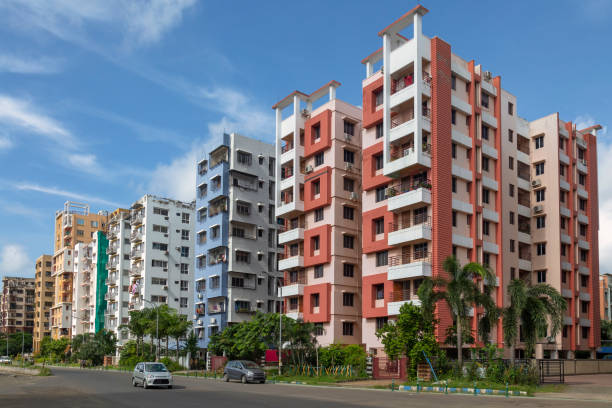
The market now includes apartments, plotted developments and larger residential communities, giving buyers more choices than were available when the area was primarily viewed through its industrial identity.
This changing housing supply is helping shift perceptions of Boisar from an industrial location to a more complete residential destination.
Projects such as Birla Mrida are part of this broader evolution, bringing the concept of a planned plotted community into the area’s developing residential landscape.
6. Growing Social Infrastructure
A residential destination needs more than housing to become a practical place to live.
Boisar has developed a growing ecosystem of schools, healthcare facilities, retail outlets, restaurants and other everyday services. As the resident population increases, supporting infrastructure and local businesses can also expand.
For families considering a move to Boisar, it is important to check the actual availability of essential services near a prospective home.
Buyers should particularly evaluate the distance to schools, hospitals, supermarkets and public transportation rather than assuming that every facility is equally accessible across the locality.
7. The Appeal of Planned Communities
As emerging residential markets mature, buyers increasingly look for developments that offer more than an individual home.
Planned communities can combine housing with landscaped areas, recreational facilities, community spaces and internal infrastructure.
This approach can be attractive to families looking for a more structured residential environment.
In Boisar, the emergence of larger developments reflects the changing expectations of buyers who may want both private space and community-oriented amenities.
8. Open Spaces and Larger Residential Environments
One potential advantage of developing residential markets is the availability of larger land parcels.
This can allow developers to create projects with more open areas and community facilities than may be possible in densely developed urban locations.
For homebuyers, however, the presence of open spaces should be assessed at the project level. Buyers should look at the actual master plan, usable recreational areas, landscaping and long-term maintenance arrangements before making a decision.
9. Why Families Are Considering Boisar
Boisar’s residential appeal can be relevant to families looking for a combination of:
- Access to local employment opportunities
- Larger residential options
- Comparatively less urban congestion
- Growing social infrastructure
- Rail and road connectivity
- Planned residential communities
- Potential benefits from future infrastructure development
The importance of each factor will depend on the buyer’s lifestyle and workplace.
Someone employed locally may value Boisar’s proximity to the industrial belt, while a buyer working in Mumbai may place greater importance on railway connectivity and daily travel time.
10. What Homebuyers Should Check Before Purchasing
Despite the area’s development, buyers should approach an emerging market with the same level of due diligence as they would anywhere else.
Before purchasing, check:
Project approvals
Verify the project’s applicable approvals and MahaRERA registration, where applicable.
Developer credentials
Review the developer’s previous projects, construction record and delivery history.
Connectivity
Test the actual commute to your workplace during peak hours.
Social infrastructure
Check the distance to schools, hospitals, retail and other daily necessities.
Total purchase cost
Consider the complete cost of ownership rather than comparing only the advertised base price.
Construction and possession
Understand the current construction stage and committed possession timeline.
Surrounding development
Visit the area to understand existing development, nearby construction and future plans.
11. Existing Reality vs Future Potential
One of the most important considerations when evaluating Boisar is separating what exists today from what may develop in the future.
The area already has an established industrial ecosystem, railway connectivity and a growing residential market. At the same time, proposed infrastructure and continued development could change the area’s accessibility and profile over time.
Buyers should therefore evaluate a property using two separate lenses:
Current value:
Existing roads, rail connectivity, employment, schools, healthcare, retail and neighbourhood infrastructure.
Future potential:
Planned infrastructure, new developments, changing employment patterns and expanding social infrastructure.
This approach helps buyers avoid basing a long-term purchase solely on future promises.
Conclusion
Boisar’s residential growth is closely connected to the area’s established industrial base, increasing housing development, available land and evolving infrastructure.
Its position in Palghar district, access to the Tarapur industrial area and railway connectivity make it an established settlement rather than simply a speculative real estate market. At the same time, proposed infrastructure such as the Mumbai–Ahmedabad High-Speed Rail corridor has brought additional attention to its future connectivity.