If you’ve ever walked into a disorganized storage facility, you already know how quickly things can spiral out of control: products in the wrong spots, workers wasting time hunting for items, and forklifts struggling to move through tight corridors. Investing in quality warehouse racking solutions for businesses is one of the smartest moves any warehouse manager can make, and it pays off a lot faster than most people expect.
The science behind good racking isn’t complicated, but the details really do matter. Proper load distribution, beam spacing, and upright height all play a role in how safe and efficient your operation runs day to day. According to trusted industrial safety standards, poorly installed or overloaded racking systems are among the leading causes of preventable warehouse injuries, which is why getting the setup right from the start is so important.
Beyond safety, the layout of your racking directly affects your picking speed. A well-planned system lets workers move in logical, predictable paths without doubling back or navigating dead ends. That kind of workflow improvement adds up; studies consistently show that smarter storage layouts can cut fulfillment time significantly, especially during peak seasons when every minute counts.
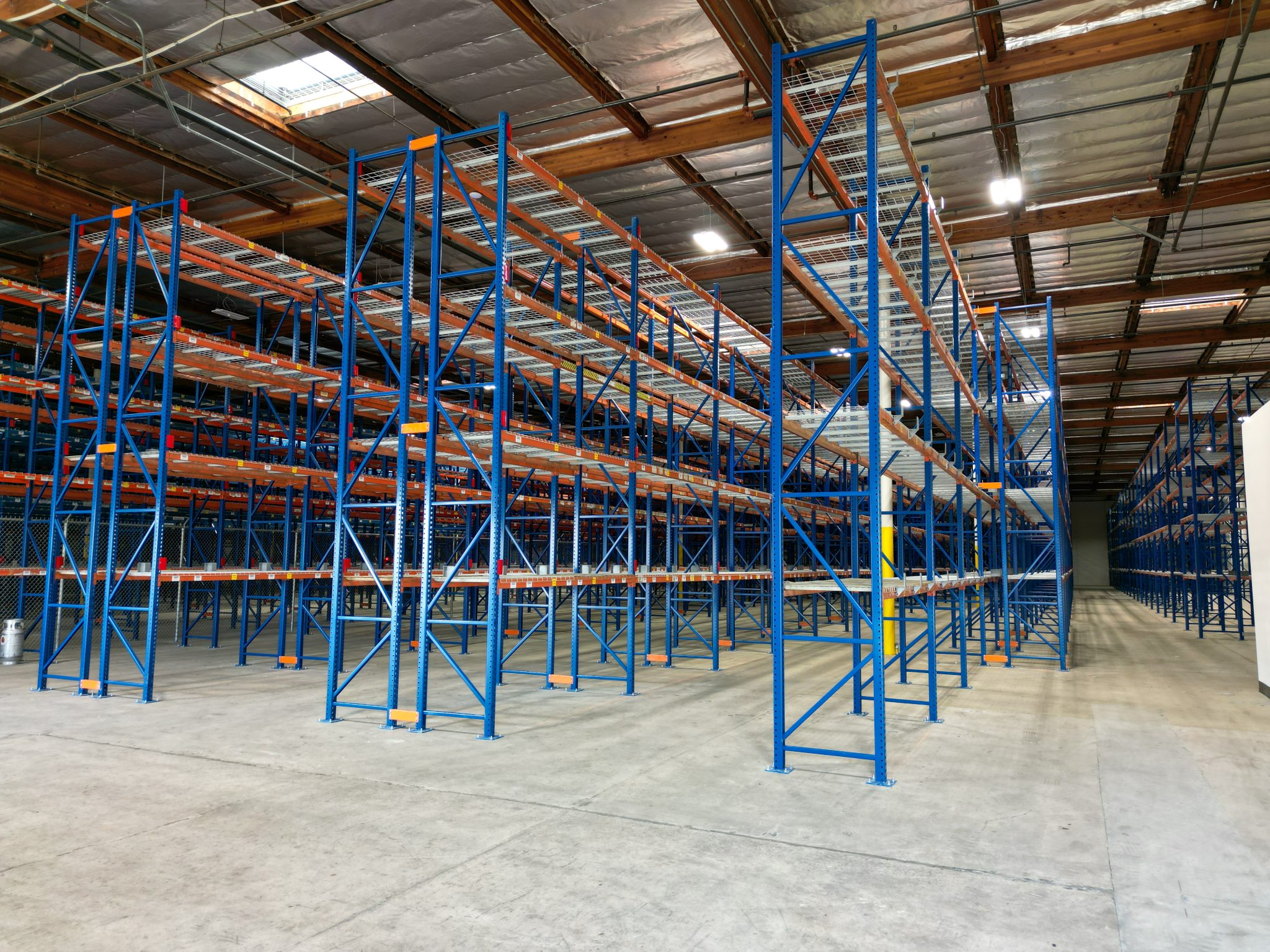
Choosing the right racking type for your inventory is just as critical as installation quality. Selective pallet racking works beautifully for facilities with a wide variety of SKUs, while drive-in or push-back systems shine in high-density environments where you’re storing large quantities of a smaller number of products. There’s no universal answer, and that’s actually a good thing — it means there’s almost always a configuration that fits your exact needs.
Maintenance is another piece of the puzzle that often gets overlooked. Even the sturdiest rack systems need regular inspections to catch damage from forklift impacts, corrosion, or misaligned components before small issues become serious hazards. The professional material handling industry guidelines recommend scheduled inspections at least every six months, with immediate checks any time a collision or unusual load stress is reported.
If your facility is due for an upgrade or if you’re starting from scratch, it’s worth taking the time to assess your current inventory flows before committing to any particular system. A racking partner who understands your product mix, your team’s workflows, and your future growth plans will help you design a setup that doesn’t just work today but scales with you over the years. The goal isn’t just storage. It’s smarter, safer, faster storage that supports everything else your operation needs to do well.