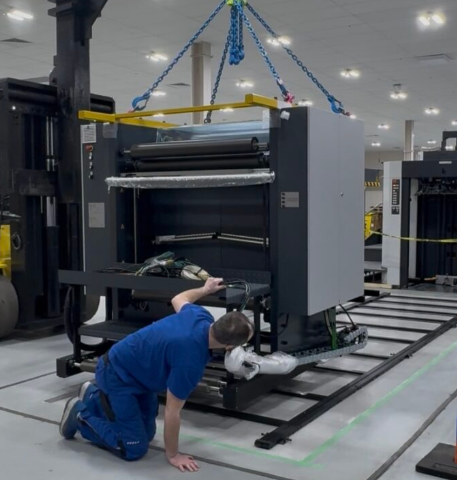
Relocating a piece of industrial equipment is nothing like moving furniture, and treating it that way is how expensive accidents happen. Whether it is a CNC machine, a boiler, or a full production line, the process demands careful planning from the moment a piece of equipment is disconnected until it is reinstalled and running again. Companies planning a project like this often look for heavy machinery moving Utah teams have relied on for years, since experience with oversized and awkwardly shaped loads makes a real difference in how smoothly the move actually goes. A crew that has handled similar equipment before knows exactly where problems tend to show up, which saves time and avoids costly guesswork.
Weight distribution is one of the first things a good moving crew evaluates before anything gets lifted. Industrial equipment rarely has its weight centered evenly, and misjudging that balance during a lift or transport can cause tipping, structural damage, or worse, which is why experienced crews spend real time studying a machine’s specifications before committing to a plan. Getting this step wrong at the start makes everything that follows more dangerous, no matter how careful the crew is during the actual lift.
Moving oversized equipment on public roads brings its own set of rules that have nothing to do with the machinery itself. Reviewing this oversize load permitting requirements guide helps clarify what documentation and routing approval are needed before a heavy load can legally travel between facilities, and skipping this step can lead to serious delays or fines once the load is already on the road.
Route planning matters just as much as the physical move itself. Bridges, overpasses, and narrow turns can all become serious obstacles for an oversized load, and a crew that maps out the route in advance avoids the kind of last minute scrambling that turns a planned move into an expensive delay. Checking clearance heights and road conditions ahead of time also reduces the chance of an unexpected detour once the load is already moving.
Rigging and lifting equipment has to be matched carefully to the load it is supporting. Using the wrong rated capacity, even by a small margin, creates real risk for both the equipment and the people working around it, so experienced teams double check load ratings rather than relying on rough estimates. Taking a few extra minutes to verify these numbers on paper is far cheaper than dealing with a dropped load or a damaged crane.
Environmental considerations come into play more often than people expect, especially with older equipment that may still be running on diesel engines. Checking this heavy equipment emissions standards overview can help facility managers understand what compliance requirements apply to equipment that gets moved or operated across state lines, which is worth confirming before a move rather than after. A quick check with the receiving facility can also confirm whether local rules add any extra requirements beyond the federal standards.
Once equipment reaches its new location, reinstallation deserves the same level of care as the move itself. Rushing this final step after a long day of transport is how alignment issues and loose connections slip through unnoticed, so a careful crew treats setup as its own distinct phase of the job. Taking the time to verify every connection before restarting the equipment protects both the machine and the people who