Signing up a new customer is only the beginning of the relationship.
For membership-based businesses, the experience that follows matters just as much as the initial sale. A customer might join because of a promotion, recommendation or convenient location, but whether they stay often depends on dozens of smaller interactions over the following weeks and months.
Can they book easily? Are payments straightforward? Do they receive useful reminders without being bombarded with messages? Can staff quickly find the information they need when something goes wrong?
Technology now sits behind many of these interactions. When the right systems are in place, much of the customer journey can happen smoothly in the background. When those systems are fragmented or difficult to use, customers tend to notice.
The Customer Journey Starts Before the First Visit
Consider someone joining a gym or fitness studio.
They may discover the business online, compare membership options, check the class timetable and eventually decide to sign up. Every additional obstacle during that process creates another opportunity for them to abandon it.
A complicated registration form, unclear pricing or the need to call during business hours can turn what should be a simple decision into unnecessary work.
Digital registration removes much of that friction. Customers can choose an appropriate membership, provide their details and arrange payment without waiting for a member of staff.
This isn’t simply about convenience. It also means the business begins the relationship with accurate customer information already stored in its system rather than relying on staff to manually transfer details from forms, emails or spreadsheets.
Make the Everyday Experience Easy
Once someone becomes a customer, their expectations change.
They are no longer evaluating whether to join. They simply want the service they paid for to work.
In a fitness business, that could mean checking a class schedule, reserving a place, updating payment information or changing a membership. In other service businesses, the specific actions will differ, but the principle remains the same.
Routine interactions should require as little effort as possible.
This is where self-service technology has become particularly valuable. Giving customers the ability to manage straightforward tasks themselves means they don’t have to wait for opening hours or staff availability.
It benefits the business too. If employees spend less time processing routine changes and answering basic administrative questions, they have more time for situations where human interaction actually adds value.
Use Automation Without Making the Experience Feel Automated
Automation can improve the customer journey, but only when it is used selectively.
A booking confirmation is useful. So is a reminder before an appointment or class. A notification about a failed payment can prevent a small problem from becoming a frustrating conversation several weeks later.
The mistake is assuming that because something can be automated, it always should be.
Customers quickly recognise irrelevant or excessive communication. Automated messages work best when they arrive because something meaningful has happened or because the information is genuinely useful at that particular moment.
A membership system might automatically send a welcome message after registration, confirm bookings and flag an upcoming renewal. Staff can then concentrate on conversations that require judgement, empathy or personal knowledge.
The goal isn’t to remove people from the customer experience. It is to remove repetitive administration from it.
Bring Customer Information Together
One of the biggest obstacles to a consistent customer journey is fragmented information.
A business might keep customer details in one system, bookings somewhere else, payments in another platform and notes in spreadsheets. Each tool may work perfectly well on its own, but staff are left piecing together the full picture.
That becomes especially noticeable when a customer needs help.
If an employee has to search through several systems to find someone’s membership status, payment history or recent activity, resolving even a simple question can take longer than necessary.
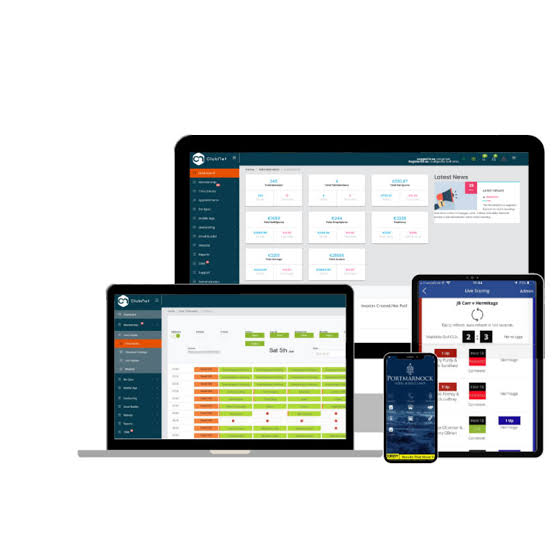
Centralisation changes this. For example, ClubFit Software brings areas such as membership management, payments, bookings and customer information into a more connected environment.
For the customer, the underlying technology may be invisible. What they notice is that staff can answer questions more quickly and the business seems to know what is happening.
Use Customer Data to Spot Problems Earlier
Technology doesn’t only make existing processes faster. It can also reveal patterns that would otherwise be difficult to notice.
A fitness business, for example, might be able to see that a member who previously attended several times a week hasn’t visited recently. Another customer might repeatedly miss booked classes. Someone else may have experienced several payment failures.
None of these signals automatically means the customer intends to leave. However, they provide useful context.
Rather than waiting until someone cancels, the business can decide whether an appropriate intervention makes sense.
This is an important distinction. Customer data is most useful when it helps staff make better decisions, rather than triggering endless automated messages.
The same principle applies beyond fitness. Businesses that can identify declining engagement, recurring service problems or changing customer behaviour have more opportunities to address issues before the relationship reaches the cancellation stage.
Remove Friction Around Payments
Few parts of the customer journey can create frustration as quickly as billing.
Customers generally don’t want to think about routine payments. They want them to happen correctly and predictably.
For businesses with recurring memberships, automated billing can make this significantly easier. It reduces the need for manual invoicing and makes revenue collection more consistent.
The customer experience around failed payments matters just as much.
Cards expire. Accounts change. Payments are occasionally declined. Treating every failed transaction as a major problem can create unnecessary tension.
A better process identifies the issue quickly, informs the customer clearly and provides an easy way to update their payment information.
This turns what could become an awkward administrative exchange into a routine correction.
Don’t Forget the Renewal Experience
Businesses naturally spend a lot of time thinking about customer acquisition. Renewal can receive far less attention, despite being one of the most important stages of the relationship.
By the time a membership or contract is approaching renewal, the customer has already accumulated months of experience with the business.
Technology can help make renewal straightforward, but it cannot compensate for a poor experience leading up to it.
That is why retention should not be treated as a campaign that begins shortly before someone’s membership expires. It is the result of the entire customer journey.
Simple bookings, reliable payments, relevant communication, accurate customer records and responsive support all contribute to the decision.
The best renewal process is often one that feels almost uneventful because the customer already sees enough value to continue.
Technology Should Make the Business Feel More Human
There is an understandable concern that adding more technology will make customer relationships less personal.
Used badly, it can.
But the opposite is also possible.
When software takes care of repetitive administration, staff have more time to speak with customers, solve unusual problems and provide the personal service that technology cannot replicate.
That should ultimately be the purpose of improving the customer journey.
Customers rarely care which systems are running behind the scenes. They care that joining is simple, bookings work, payments are accurate, staff know who they are and getting help doesn’t become an ordeal.
Technology works best when customers barely have to think about it. It removes obstacles from the relationship and gives the people running the business more time to focus on the parts of the experience that actually require a person.