A cannabis brand’s identity involves more than its name or packaging. Product categories, naming, design, and labeling shape brand recognition and help consumers understand available offerings. However, strong branding does not guarantee quality, consistency, or safety. Adults considering cannabis products should look beyond marketing claims and assess the available product information and supporting evidence. Understanding the relationship between branding and product transparency provides a practical starting point for comparing products, interpreting claims, and making more informed decisions.
What Defines a Cannabis Brand’s Identity?
Brand identity is the combination of visual elements, product names, messaging, and presentation that distinguishes one company from another. In the cannabis industry, this identity may include strain-inspired names, flavor references, concentrate categories, and different device formats.
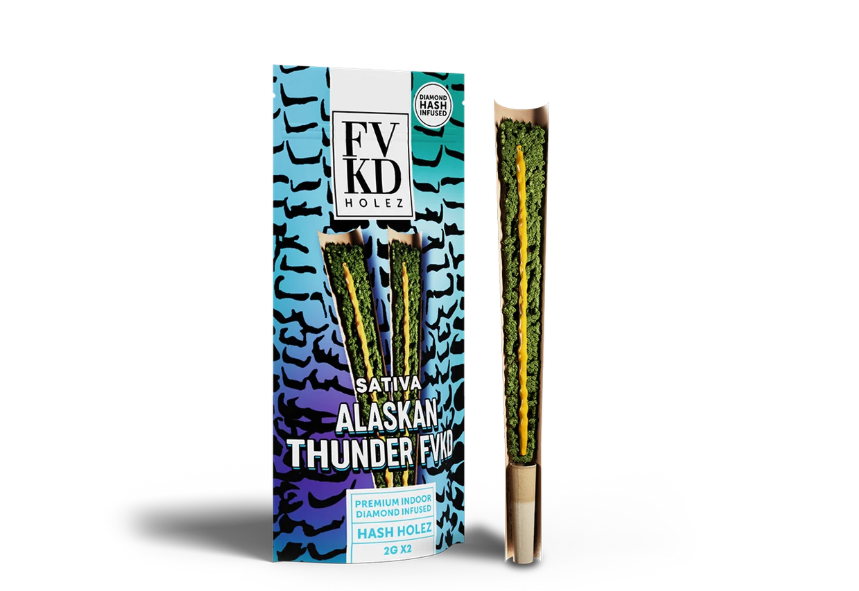
The FVKD exotics company name represents a recognizable brand identifier, but a brand name alone cannot verify the characteristics of an individual product. Consumers need product-specific information to understand ingredients, cannabinoid content, manufacturing claims, and intended use.
Why Consistent Branding Matters
Consistent naming and presentation can help consumers recognize products across different categories. Clear product descriptions can also make it easier to distinguish concentrates, flower products, pre-rolls, and disposable devices.
Consistent branding does not necessarily mean consistent formulations. Products from the same company may differ in ingredients, cannabinoid concentrations, formats, and handling instructions. Therefore, brand identity should complement transparent product information, not replace it.
How Strain Names Contribute to Brand Recognition
Cannabis brands often choose names based on fruits, desserts, nature, weather, and familiar themes to make products distinctive and convey a particular sensory impression.
The phrase alaskan thunder fvkd illustrates how a dramatic, weather-inspired expression can help distinguish a product within a brand’s range. However, the name does not independently confirm the product’s genetic lineage, aroma, cannabinoid concentration, or expected effects.
Naming Is Not a Scientific Standard
Strain-inspired terminology may reflect established naming traditions, commercial choices, or a producer’s preferred product identity. Naming practices are not always standardized, and products sharing similar names can differ in their chemical profiles.
Consumers should avoid assuming that a particular name guarantees a specific terpene profile or experience. Product labels and relevant lab reports provide more reliable information about a product’s measurable properties and composition.
Product Categories and Consumer Expectations
Brands may offer products in different formats, each with distinct features and handling requirements. For example, disposable vapes integrate electronic components and a reservoir, while concentrates are packaged separately for their intended use.
Product formats matter because they influence how items should be handled, stored, used, and disposed of.
What to Compare Across Product Types
When comparing products in a brand’s catalog, consider the following factors:
- Formulation: Check the stated ingredients and product composition.
- Cannabinoid content: Review reported THC, CBD, or other cannabinoid measurements where applicable.
- Product format: Check the intended use and compatibility requirements.
- Testing documentation: Look for relevant laboratory reports and batch identification.
- Safety information: Review operating, storage, and disposal instructions.
- Legal requirements: Check applicable purchasing, possession, and age restrictions.
This approach helps consumers compare individual products without assuming that every item in a collection has the same characteristics.
Why Product Labels Matter More Than Promotional Claims
Brand messaging can communicate a product’s intended identity, but terms such as premium, pure, or high quality do not independently prove a particular manufacturing standard.
Labels and supporting documentation provide more concrete details. Depending on the product and local regulations, labels may include ingredients, net quantity, cannabinoid levels, manufacturer details, batch numbers, and safety warnings. If a claim cannot be verified, consumers should request clarification from the manufacturer or seller rather than relying solely on packaging.
Laboratory Testing and Product Transparency
A certificate of analysis, commonly called a COA, may report cannabinoid measurements and screening results for selected contaminants. A lab report’s reliability depends on the laboratory’s credibility, the tests performed, and whether the results match the specific product or batch.
Consumers should review the actual report rather than relying exclusively on a general statement that a product is laboratory tested.
Testing also has limitations. A report may not assess every potential contaminant, and a favorable result cannot establish that inhaling a cannabis product is harmless. Product testing should be considered alongside accurate labeling, appropriate manufacturing controls, and applicable regulatory requirements.
Questions Worth Asking About a Product
Before relying on a product description, consider whether the available information answers these questions:
- Is the formulation clearly identified?
- Are cannabinoid measurements available where applicable?
- Can laboratory results be matched to the product or batch?
- Are storage and handling instructions provided?
- Are warnings and manufacturer details easy to find?
Missing information does not automatically prove a product is defective, but it does limit what consumers can confidently conclude about it.
Responsible Purchasing and Safety Considerations
Brand recognition should never replace careful product evaluation. Adults should consider the composition, potency, intended use, and available safety information for each product.
Cannabis products may carry health risks. THC can affect attention, memory, coordination, and judgment. Do not drive or operate machinery while impaired, and store products securely away from children and pets.
People who are pregnant or breastfeeding, have relevant medical conditions, or take medications that may interact with cannabinoids should consult a qualified healthcare professional before considering cannabis-derived products.
Consumers should also verify local laws before purchasing or possessing these products because regulatory requirements and product availability vary by jurisdiction.
Conclusion
Brand identity helps consumers recognize products, but it cannot independently verify composition, potency, manufacturing quality, or safety. FVKD Exotics products should be assessed through clear labels, relevant laboratory documentation, and reliable manufacturer information. Whether a product uses a dramatic strain name or belongs to a specialized category, measurable details matter more than branding alone. A thoughtful approach to product comparisons helps adults evaluate claims objectively while considering health risks, handling requirements, and applicable laws.
Disclaimer: For adults 21+ only, where legally permitted. Cannabis products may carry health risks. This article is informational only and is not medical or legal advice.