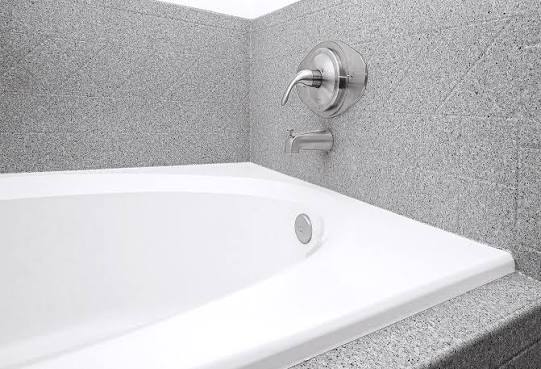
A refinished bathtub can make an old bathroom look cleaner, brighter, and more modern. The job is not finished simply because the tub looks new. Homeowners must look at the surface and verify that key details were handled correctly before the bathtub is used again.
What Is Bathtub Refinishing?
Bathtub refinishing is a restoration process that makes an existing bathtub look better and feel smoother without replacing the tub. Depending on the tub’s condition, a professional may carefully clean the surface, remove dirt, fix chips or damage, prepare the finish, and apply special bonding and finishing coats. The goal is to create a durable surface that can withstand normal bathroom use.
Bathtub refinishing can be done on common tub materials and is often chosen when a bathtub is stained, scratched, faded, chipped, or outdated. Proper preparation is critical because the new coating must stick to a well-prepared surface.
Points to Check After Bathtub Refinishing Job Is Done
Before you declare the project finished, spend a few minutes looking over the work. These simple checks can help you spot problems early and protect your refinished bathtub.
1. Inspect the Finish
The bathtub surface should look even without obvious streaks, bubbles, rough patches, or spots that feel different. Examine the tub from multiple angles and in adequate light after the completion of bathtub refinishing in Detroit. An even finish normally shows that the work was done carefully. Also, due to the strong smell of the refinishing coatings, it is better to check how long the bathroom may need ventilating to remove the smell.
2. Inspect the Edges and Corners
Pay attention to the tub rim, corners, drain, and places around fixtures. The coating should be applied evenly around these areas without peeling edges, gaps, or much buildup. These places can be easy to miss during your inspection after bathtub refinishing in Detroit, MI. Also check surrounding areas like fixtures, tiles, and floorings for overspray outside the tub. You can ask the contractor to clean up such affected areas before they mark the job complete.
3. Check for Surface Imperfections
Look carefully across the tub for bumps, dust, rough spots, or other flaws trapped inside the coating. If you spot any issue, make sure to show it to the contractor before you resume usage of the bathtub. The expert will address these minor imperfections before closing the project.
4. Confirm the Caulking
If new caulking was added during the refinishing, it should be checked closely. The caulking should form a continuous seal where needed and should not have large gaps, uneven edges, or loose sections. Proper caulking stops moisture from reaching vulnerable areas.
5. Ask About the Curing Time
A surface that feels dry may not yet be fully cured. Ask the contractor how long to wait before using the tub. Following the curing time of typically 24–48 hours is crucial because early water, cleaners, or heavy use can damage the new finish.
6. Check the Drain and Water Flow
Look at the drain area for coating buildup, roughness, or other visible problems. The drain should work normally. Water should drain properly without collecting around it. Unusual pooling can mean a problem that must be addressed before it is ready to use.
7. Review Cleaning and Care Instructions
Ask the refinishing company which cleaners and tools are safe for the new surface. Avoid abrasive cleaners, scouring pads, or harsh chemicals unless the contractor confirms they are safe. Following the right care instructions can help preserve the finish. It also restores the modern, polished look of the bathroom overall. Also confirm the warranty on their work before they leave your property.
To Conclude
A final inspection is a key part of any bathtub refinishing project. Checking the finish, edges, caulking, drain, curing time, and care rules can help homeowners guard their investment and spot problems early. If something does not look right, call the refinishing professional before using the tub. For best results, always follow the contractor’s exact care and maintenance rules.