When autumn rolls around and temperatures drop, many homeowners look forward to lighting a cozy fire in the hearth. However, if your fireplace has been sitting dormant for months, or even years, lighting a match without a thorough check can lead to a house full of smoke or a serious safety hazard. It is easy to assume that an unused chimney remains in pristine condition, quietly waiting for its next assignment. In reality, a dormant flue acts like an open invitation to local wildlife and a catch-all for windblown debris. Over time, these uninvited guests and accumulated materials create severe blockages that compromise your home safety and indoor air quality.
The Mirage of the Idle Flue
An unused chimney feels like a maintenance-free part of the house. Out of sight, out of mind, right? Unfortunately, masonry structures and factory-built metal flues are constantly exposed to the elements. Even when you are not burning firewood, natural air currents create a subtle chimney effect, drawing outside air, moisture, and debris down into the flue liner.
Without regular inspection and use, small issues compound quietly. A damper left slightly jarred, a degraded mortar crown, or a missing cap converts a functional exhaust shaft into a vertical trap. What seems like an inert brick column is actually a dynamic environment where organic material settles and creates structural blockages over time.
Wildlife Searching for Prime Real Estate
To the local animal population, a dark, warm, vertical shaft looks less like a heating system and more like a high-rise luxury apartment complex. Birds, squirrels, raccoons, and bats naturally seek out elevated, sheltered spaces protected from ground predators. A chimney without a sturdy mesh cap offers the perfect sanctuary.
Chimney swifts are particularly notorious for colonizing open flues. These birds cannot perch horizontally and must cling to vertical masonry walls, making a textured brick liner their ideal nesting spot. Meanwhile, squirrels and raccoons often drop twigs, leaves, and insulation down the flue to build sturdy platforms for raising young. When these animals nest, they do not just leave behind a couple of sticks, they pack dense, flammable materials tightly against the flue walls.
Wind, Weather, and Natural Debris Accumulation
Animals are not the only culprits when it comes to chimney blockages. Overhanging tree branches constantly shed leaves, pine needles, twigs, and seed pods. During severe storms or windy days, these materials tumble down the top opening and settle on the smoke shelf or gather directly above the damper plate.
Over time, moisture mixes with this falling organic matter, creating a heavy, matted plug. In coastal or humid regions, decaying leaves hold water against the flue lining, accelerating the deterioration of clay tiles or stainless steel connectors. Even soot and creosote left behind from previous fires can absorb this moisture, swelling into a dense mass that severely restricts air passage.
Dangerous Consequences of a Blocked Exhaust Path
Lighting a fire in a chimney obstructed by animal nests or fallen debris leads to immediate, dangerous problems. The most obvious outcome is smoke rollout, where toxic combustion gases, smoke, and particulate matter cannot ascend through the flue and instead spill back out into your living room, ruining your furniture and setting off smoke detectors.
Far more hazardous is the risk of carbon monoxide poisoning and chimney fires. Carbon monoxide is an odorless, colorless gas that builds up rapidly when fuel does not combust completely or when exhaust pathways are restricted. Furthermore, dry bird nests, shredded leaves, and twigs are exceptionally flammable. If stray sparks hit these dried organic blockages, a high-heat fire can ignite inside the flue, cracking the clay liner and threatening the surrounding wooden framing of your home.
Diagnostic Procedures and Visual Inspections
Clearing a blocked chimney requires more than peering up the flue with a flashlight from the firebox. Professional technicians perform detailed inspections to evaluate the full length of the ventilation pathway. Using specialized camera systems mounted on flexible rods, sweeps navigate the visual gear up the flue, identifying the exact location, density, and composition of the blockage.
These inspections reveal critical details that inform the cleaning process. Technicians can spot fragile animal nests that require careful extraction, identify cracked clay flue tiles hidden behind debris, or detect creosote buildup that needs chemical treatment. For property owners seeking comprehensive care for their ventilation systems, consulting with Warrior’s Plano-based duct & chimney crew ensures that both air distribution pathways and exhaust flues are inspected and cleared safely.
Clearing Blockages and Securing the System
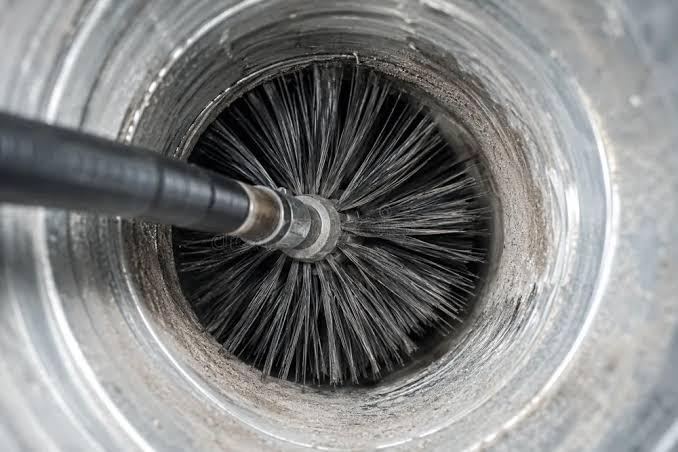
Remediating a blocked chimney involves specialized mechanical tools designed to dislodge stubborn debris without damaging the interior liner. Heavy-duty flexible rods fitted with steel or poly brushes scour the flue walls, while high-powered vacuum equipment with filtration units captures dislodged dust, soot, and nesting material at the base of the hearth.
Once the flue path is completely clear, preventing future blockages becomes the top priority. Installing a high-quality, stainless steel chimney cap featuring heavy-gauge wire mesh is the single most effective defense against wildlife and debris. A proper cap seals the top opening, diverts rainwater away from the crown, and prevents birds and rodents from making a home in your chimney ever again.
Protecting Your Home Before You Light the First Match
An unused chimney requires just as much attention as one in regular operation. By recognizing how quickly animals, leaves, and structural debris can plug an unmonitored flue, you can avoid dangerous smoke backups, fire hazards, and hidden structural damage. Routine inspections and proper preventive covers keep your exhaust pathways clear, ensuring your fireplace remains a safe, comforting feature of your home. Reach out to a certified chimney professional today to schedule an inspection and prepare your system for worry-free operation.