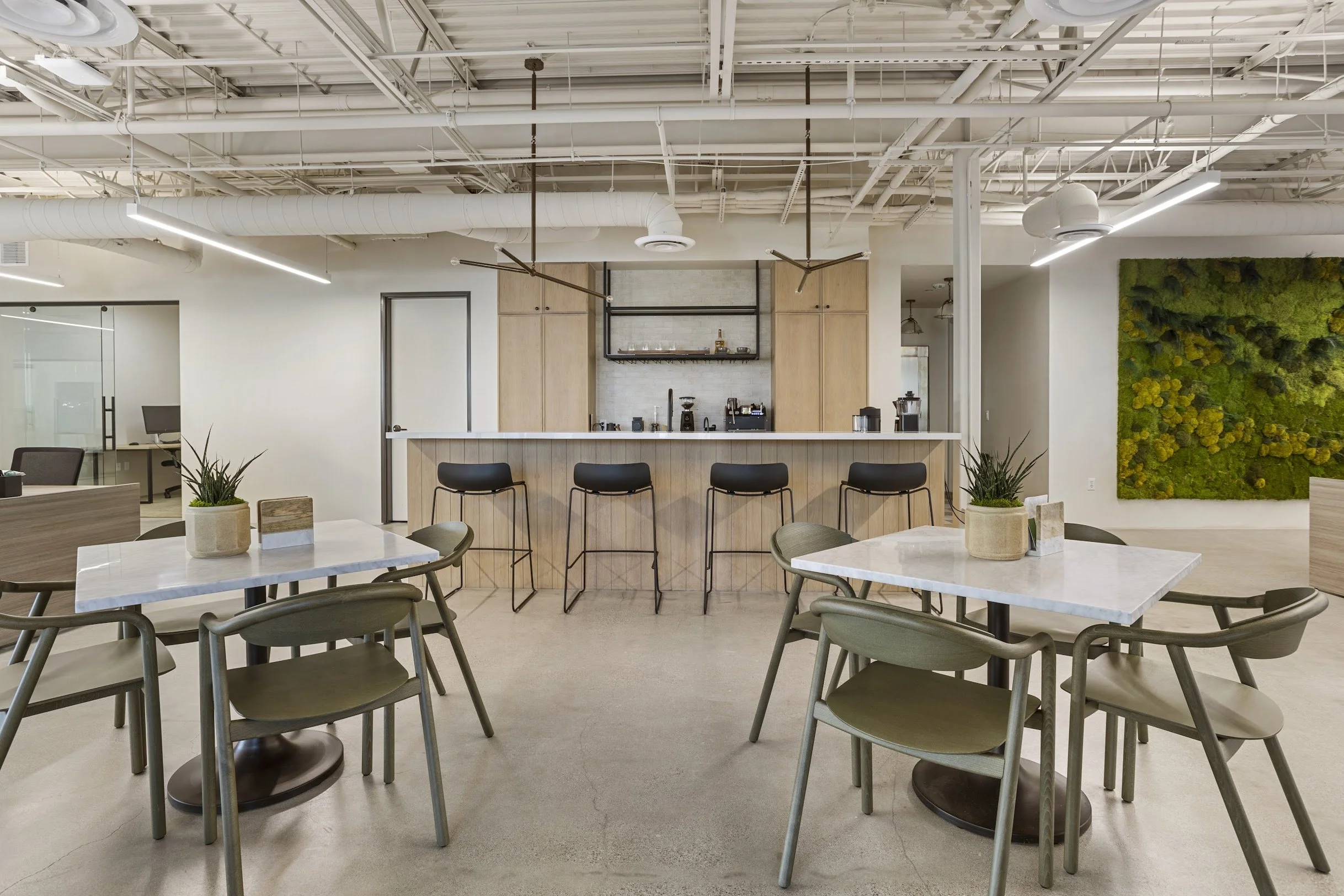
Walk into any office and you can tell within minutes whether the furniture was chosen with care. Desks that fit, chairs that support, and storage that keeps things tidy all send a quiet message about how a company treats its people. If you are furnishing a new space or refreshing an old one, talking with commercial office furniture Orange County experts helps you choose pieces that look sharp and hold up through busy workweeks. Good furniture is not just decoration, because it affects comfort, focus, and even how visitors see your brand from the moment they arrive.
Start by thinking about how your team actually spends the day. Some people sit at a desk for hours, while others move between meetings, phone calls, and shared tables. When you match the furniture to those habits, the office feels natural instead of cramped, and people spend less energy working around problems. It also helps to walk the space with a tape measure and a rough headcount, since a few extra inches between desks can make a big difference in how relaxed everyone feels.
Comfort deserves special attention because small discomforts add up over a long week. Sitting at a poorly set up desk can lead to sore necks, tight shoulders, and tired eyes, and most of that can be avoided with a few simple adjustments. A chair should support the spine and let feet rest flat on the floor, and the monitor should sit about an arm’s length away, as explained in this guide to office ergonomics for comfortable workdays. Furniture that adjusts easily gives every employee a fair chance to find a position that works for their body.
Style matters too, though it works best when it stays practical. Choose finishes and colors that match your brand without overpowering the room, and keep the palette consistent so the space feels calm and organized. Durable fabrics and sturdy frames may cost a little more at the start, but they usually save money because they do not need replacing every couple of years. Storage is another detail people forget until the clutter piles up, so plan for filing, supplies, and personal items before the first desk arrives.
Flexibility is worth building in from the beginning. Teams grow, shrink, and reorganize, and furniture that can be rearranged or added to later keeps you from starting over each time your needs change. Modular desks, movable partitions, and stackable seating are popular choices because they let you reshape a room over a weekend rather than a month. Ask about delivery and installation as well, since a smooth setup means your team loses less time and can get back to work quickly.
Lighting and technology are worth a quick thought as well. Desks with cable management keep cords out of sight, and pieces that leave room for power strips make charging simple. Good lighting reduces eye strain, so position desks with the window in mind and avoid glare on screens. These small details are easy to plan on paper and much harder to fix after everything has been installed.
Finally, put your numbers on paper before you buy. Furniture is part of your budget along with rent, equipment, and supplies, and it helps to review a resource on planning startup costs for small businesses so nothing catches you off guard. Set a comfortable range, ask for clear quotes, and decide which pieces are must-haves and which can wait. With a plan in place, you can furnish your office with confidence and end up with a space your team is glad to walk into each morning.