When people think about manufacturing, they often picture machinery, assembly lines, and production schedules. While these elements are certainly important, there is another factor that plays a major role in operational success: packaging.
A product is not truly finished when it leaves the production floor. It must still be stored, transported, and delivered to its final destination. Without proper packaging, even the highest-quality products can become damaged before reaching customers.
This is why manufacturers throughout Southern California work with OEM Materials. As an Orange County-based packaging supplier, the company helps businesses protect products, improve warehouse operations, and support efficient transportation throughout the supply chain.
Manufacturers understand that product quality and packaging quality go hand in hand. Both contribute directly to customer satisfaction and long-term business success.
The Challenges Manufacturers Face Every Day
Manufacturing environments are fast-paced and demanding. Production schedules must be maintained, inventory must remain organized, and finished products must move efficiently from the facility to customers.
Packaging plays an important role in each of these areas. Poor packaging can slow down operations, create handling challenges, and increase the risk of damaged shipments.
OEM Materials works with manufacturers to identify packaging solutions that support production goals rather than creating additional obstacles. The company understands that manufacturing businesses need packaging products that are reliable, consistent, and readily available.
When production is running at full capacity, packaging delays are simply not an option.
Protecting Finished Goods After Production
Once products leave the production line, they often spend time in storage before shipment. During this stage, inventory may be moved several times, stacked in warehouses, or prepared for transportation.
Keeping products secure during this process is essential.
Many manufacturers use stretch film to stabilize palletized inventory and prevent movement. By securing products tightly to pallets, stretch film helps reduce the risk of damage during storage and handling.
Stable loads are easier to transport and require less corrective action from warehouse personnel. This contributes to greater efficiency while protecting valuable inventory.
For manufacturing companies, load stability remains one of the most important aspects of post-production product protection.
Improving Material Handling Efficiency
Warehouse productivity depends heavily on how easily products can be moved throughout the facility.
Palletized inventory that shifts or becomes unstable often creates delays and additional labor requirements. Employees must spend time correcting problems instead of focusing on productive tasks.
Pallet wrap helps address this challenge by creating secure loads that remain intact throughout storage and transportation. Properly wrapped pallets are easier to move using forklifts and warehouse equipment.
Many manufacturers view pallet wrap as a simple but highly effective tool for improving warehouse performance.
Small improvements in load stability often lead to measurable gains in productivity over time.
Reinforcing Heavy Industrial Loads
Manufacturers frequently ship products that are heavier than typical consumer goods. Industrial equipment, metal components, construction materials, and machinery parts often place significant stress on packaging systems.
To strengthen shipments and reduce damage risks, many companies use edge protectors as part of their packaging process.
Edge protectors help reinforce corners and distribute pressure more evenly across the load. This added protection reduces the likelihood of crushed packaging and improves overall shipment durability.
For manufacturers moving large or heavy products, these reinforcements can provide valuable protection throughout storage and transportation.
Protecting products from physical stress helps reduce losses while maintaining product quality.
Choosing Packaging That Supports Production Goals
Manufacturers need packaging that is practical, cost-effective, and versatile.
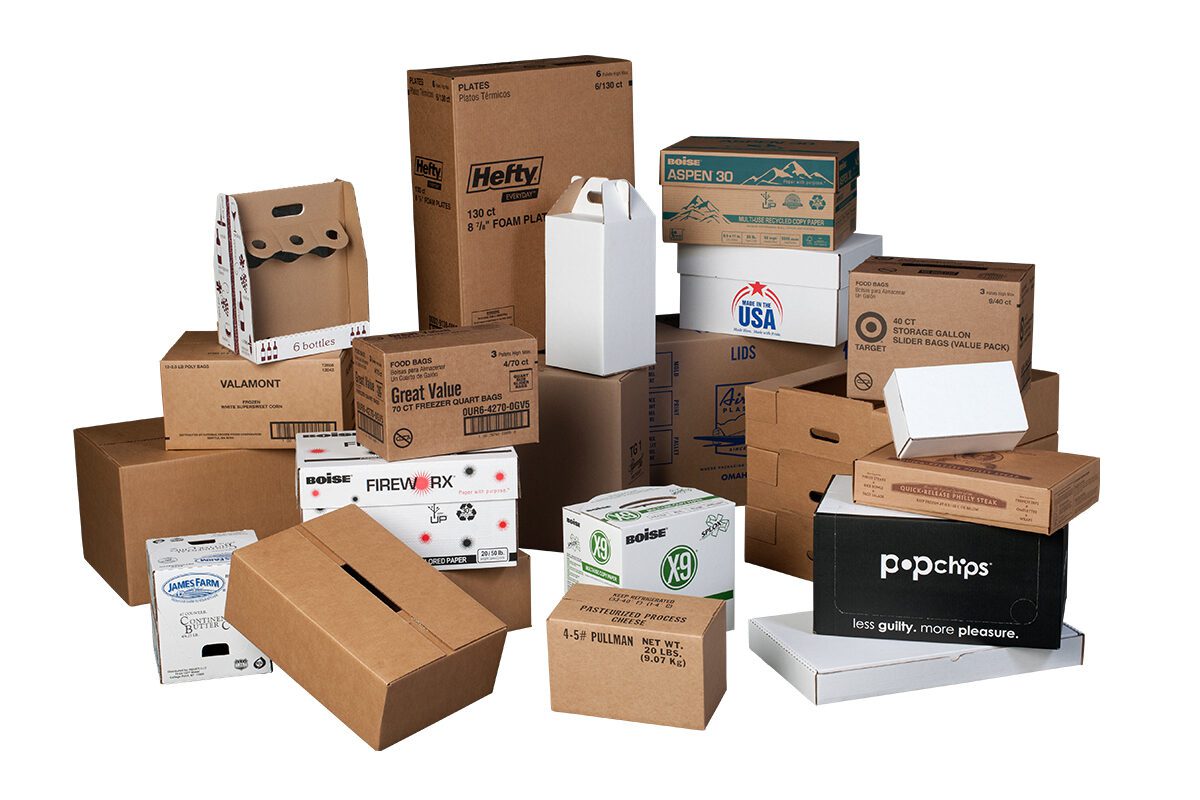
Cardboard boxes continue to be one of the most widely used packaging solutions because they can accommodate a broad range of products and applications. From replacement parts to finished goods, businesses rely on cardboard boxes for everyday packaging needs.
The ability to customize box dimensions allows manufacturers to package products more efficiently while reducing wasted space. Better-fitting packaging often improves protection and lowers shipping expenses.
Packaging should support production objectives rather than complicate them.
The right packaging materials help manufacturers maintain consistency throughout their operations.
Why Corrugated Packaging Remains a Preferred Solution
Industrial products often require stronger packaging than standard retail items. Shipping conditions can be demanding, especially when products travel long distances or move through multiple distribution points.
Corrugated boxes remain a preferred choice because they offer excellent durability without excessive weight. Their layered construction provides enhanced protection against impacts and compression.
Manufacturers frequently use corrugated boxes because they can be tailored to specific product requirements while maintaining strong performance throughout the supply chain.
Reliable packaging helps ensure that products arrive in the same condition they left the factory.
This consistency is essential for maintaining customer confidence.
Internal Protection Is Just as Important
Some manufactured products contain sensitive components that require protection from vibration and impacts.
Even when external packaging performs well, internal movement can still result in product damage. This is particularly true for precision equipment, electronics, and specialty components.
To address this challenge, businesses use cushioning materials that help absorb shocks and secure products inside the package.
The right cushioning materials can dramatically reduce damage rates while improving customer satisfaction. They also help manufacturers avoid costly warranty claims and replacement shipments.
Protecting products inside the package is just as important as protecting them on the outside.
Supporting Growth Through Reliable Packaging
As manufacturers expand production and enter new markets, packaging requirements often become more complex.
Higher shipping volumes, larger product lines, and broader distribution networks all place greater demands on packaging systems. Businesses need solutions that can scale alongside their operations.
OEM Materials Packaging Supply helps manufacturers adapt to these changing requirements by providing packaging products backed by responsive service and industry expertise.
Having a dependable packaging supplier allows businesses to focus on growth rather than worrying about packaging shortages or inconsistent materials.
Strong supplier relationships often become an important part of long-term operational success.
OEM Materials Helps Manufacturers Build Stronger Supply Chains
Manufacturers depend on efficient processes from start to finish. Packaging serves as a critical link between production, storage, transportation, and customer delivery.
OEM Materials supports these efforts by providing products such as stretch film, pallet wrap, edge protectors, cardboard boxes, corrugated boxes, and cushioning materials. Each product contributes to protecting inventory and improving operational performance.
As a trusted Orange County packaging supplier, OEM Materials continues to help manufacturers throughout Southern California strengthen their packaging programs and improve supply chain reliability. By focusing on practical solutions and dependable service, the company helps businesses protect their products, improve efficiency, and position themselves for long-term growth.