Finding qualified employees has become increasingly difficult for organizations across nearly every industry. Employers are balancing speed, competition for talent, remote hiring challenges, and rising turnover rates while trying to make confident hiring decisions.
In many cases, businesses still rely heavily on resumes and interviews alone. While these methods remain important, they often fail to provide a complete understanding of how a candidate may perform once hired. This gap has encouraged many organizations to rethink how they evaluate applicants before extending an offer.
The Limitations of Traditional Hiring Methods
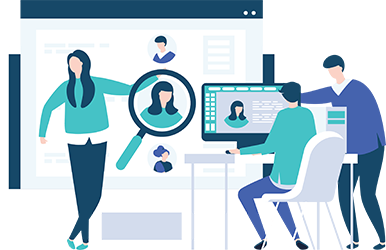
Resumes can highlight education, certifications, and work experience, but they rarely show how someone solves problems, communicates under pressure, or adapts to workplace demands. Interviews help provide personal interaction, yet they can sometimes be influenced by presentation skills rather than long-term job fit.
Hiring managers frequently encounter situations where:
- Strong interviewers struggle in the actual role
- Qualified candidates are overlooked because of interview anxiety
- Teams hire based on instinct rather than evidence
- Inconsistent evaluations create bias in hiring decisions
As hiring becomes more competitive, businesses need more reliable ways to identify candidates who are likely to succeed over time.
The Shift Toward Structured Hiring Processes
Modern recruitment strategies increasingly focus on consistency and measurable evaluation methods. Structured hiring processes help organizations compare candidates using clearly defined criteria rather than relying entirely on subjective impressions.
This approach often includes:
- Standardized interview questions
- Behavioral assessments
- Skills testing
- Cognitive evaluations
- Personality and work-style assessments
- Role-specific simulations
The purpose is not to eliminate human judgment. Instead, these methods provide additional context that can help employers make more informed decisions.
Why Candidate Fit Matters
Technical ability alone does not always determine workplace success. Employees must also fit the communication style, pace, responsibilities, and expectations of the role.
For example, a customer service representative may need patience and emotional resilience, while a project manager may require organization, adaptability, and strong decision-making skills. Two candidates with similar resumes can perform very differently depending on how well their strengths align with job demands.
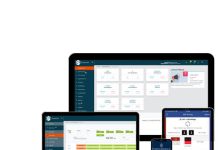
Companies researching structured hiring approaches often explore pre employment screening tools to gain broader insight into candidate compatibility before hiring decisions are finalized.
Reducing the Cost of Bad Hires
Hiring mistakes can be expensive. Beyond recruitment costs, organizations may face lost productivity, reduced morale, additional training expenses, and disruption to team performance.
When employees leave shortly after being hired, businesses often repeat the hiring cycle again, increasing both financial and operational strain.
Some common causes of hiring failure include:
- Misaligned job expectations
- Poor communication skills
- Weak problem-solving abilities
- Limited adaptability
- Cultural mismatch within the organization
More comprehensive candidate evaluation can help identify potential concerns earlier in the process, reducing the likelihood of costly turnover.
Supporting Fairness and Consistency
One major advantage of structured screening methods is consistency. Without clear evaluation systems, hiring decisions can vary widely between interviewers or departments.
Standardized assessments help ensure candidates are evaluated using the same criteria, which can support a more balanced and objective hiring process. This consistency becomes especially important for larger organizations hiring across multiple locations or teams.
However, businesses should remember that assessments work best when combined with thoughtful interviews and human oversight. Hiring should remain a balanced process that considers both measurable skills and individual context.
Adapting to Remote and Hybrid Work Environments
The rise of remote and hybrid work has introduced new hiring challenges. Employers now need workers who can manage responsibilities independently, communicate digitally, and stay productive outside traditional office settings.
This shift has increased demand for hiring strategies that evaluate more than technical experience alone. Employers want to understand how candidates handle collaboration, time management, accountability, and changing priorities.
Structured screening methods can help organizations identify candidates who are better prepared for modern workplace expectations.
Improving Workforce Planning
Better hiring practices do more than fill immediate openings. They also contribute to long-term workforce stability.
Organizations that consistently hire employees aligned with role expectations often experience:
- Stronger employee retention
- Improved team collaboration
- Faster onboarding
- Better leadership development
- Higher overall productivity
Over time, these improvements can strengthen company culture and reduce ongoing recruitment pressure.
Creating a Better Candidate Experience
Candidates also benefit from organized hiring systems. A clear and structured process signals professionalism and helps applicants understand what employers value.
When hiring methods are transparent and relevant to the role, candidates are more likely to view the organization positively, even if they are not selected.
Employers should communicate assessment expectations clearly and ensure screening methods are directly connected to job responsibilities. This helps maintain trust throughout the recruitment process.
Conclusion
Hiring decisions shape the future of every organization. While resumes and interviews remain valuable, businesses increasingly recognize the importance of deeper candidate evaluation strategies that provide broader insight into potential performance and workplace fit.
By using structured hiring practices and thoughtful assessment methods, organizations can improve consistency, reduce turnover, and build stronger teams prepared for long-term success. In today’s evolving workforce, better hiring processes are becoming an essential part of sustainable business growth.