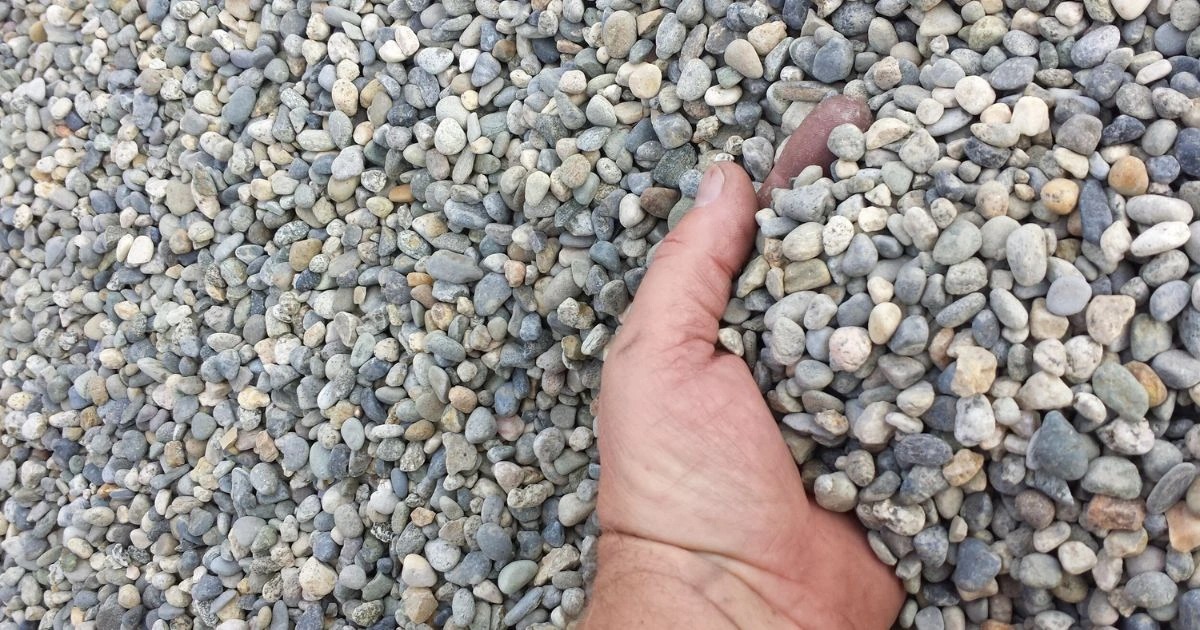
Outdoor projects often succeed because of decisions made before the first load of material arrives. Gravel may seem simple at first glance, yet its size, shape, color, and composition all influence how a surface performs over time. Comparing available options helps property owners create driveways, pathways, drainage systems, and landscape features that remain attractive while handling everyday use.
Stone Size Changes How Well Gravel Stays in Place
Stone size directly affects how gravel behaves after installation. Larger rocks resist movement under vehicle tires but may leave wider gaps between pieces, while smaller aggregate settles into a tighter surface that feels smoother underfoot. Matching the stone size to the intended use creates a more stable finished result. Project type also influences the best choice. Driveways often benefit from layered stone sizes that improve compaction, while decorative landscape beds may prioritize appearance over load-bearing performance. Homeowners comparing gravel for sale usually discover that selecting the correct size reduces future maintenance while extending the life of the finished surface.
Different Gravel Types Drain Water at Different Rates
Water management plays a major role in gravel performance. Clean, washed stone allows rainwater to pass quickly through open spaces between individual rocks, making it useful for drainage systems, French drains, and areas where standing water creates problems. Materials containing more fine particles compact tightly but allow water to move more slowly. Drainage characteristics should always match the site’s conditions. Sloped properties, low-lying yards, and high-traffic driveways each benefit from different gravel selections based on how water naturally flows across the landscape. Property owners searching for gravel delivery near me often compare drainage performance before making a final decision.
Color Choices Can Change the Look of the Entire Property
Gravel contributes much more than structural support because its color becomes part of the overall landscape design. Warm tan stone creates a different visual effect than gray limestone or darker crushed rock, allowing homeowners to complement brick, siding, retaining walls, patios, or surrounding plant material.
Sunlight also changes how gravel appears throughout the day. Lighter-colored stone reflects more light, making outdoor spaces feel brighter, while darker aggregate creates stronger contrast around landscaping features. Decorative gravel selection often combines practical performance with curb appeal to create balanced outdoor environments.
Angular Stone Often Packs Better Than Rounded Gravel
Shape influences stability just as much as size. Angular gravel features rough edges that interlock as weight is applied, helping create a compact surface capable of supporting vehicles and heavy equipment. Rounded gravel rolls more easily because its smooth shape provides fewer contact points between individual stones.
Different applications benefit from different stone profiles. Decorative pathways and water features sometimes favor rounded river rock for its natural appearance, while driveways generally perform better with crushed angular aggregate. Matching stone shape to the project improves both appearance and long-term durability.
Some Gravel Holds Up Better Under Daily Vehicle Traffic
Repeated vehicle traffic places constant stress on driveway materials. Certain gravel blends withstand turning tires, braking forces, and changing weather better than others because they compact more effectively and resist displacement during regular use. Selecting the proper aggregate helps preserve smoother driving surfaces for longer periods.
Traffic volume also influences material selection. Residential driveways, farm roads, equipment yards, and commercial entrances all experience different loading conditions that require different gravel characteristics. Property owners comparing gravel for sale frequently evaluate durability before considering appearance alone.
Fine Gravel Creates a Different Walking Surface Than Larger Stone
Walking comfort changes noticeably depending on aggregate size. Fine gravel creates a firmer surface that feels more stable for foot traffic, outdoor seating areas, and garden paths. Larger stone provides stronger drainage but may shift slightly beneath each step, creating a different walking experience.
Surface texture also affects accessibility. Families, guests, and landscape maintenance equipment all benefit from gravel selected according to how the area will be used every day. Well-planned walkways balance comfort, stability, and appearance without compromising drainage or long-term durability.
Local Soil Conditions Can Influence Gravel Performance
The ground beneath the gravel plays a major role in how well the finished surface performs. Clay-rich soils retain moisture differently than sandy soils, affecting compaction, drainage, and long-term stability. Proper base preparation often matters just as much as the gravel placed above it. Site conditions should guide material selection rather than relying on one gravel type for every project. Areas with poor drainage, soft subgrades, or significant elevation changes may require additional base stone or stabilization before the finished gravel layer is installed. Local knowledge helps produce more reliable results.
Maintenance Needs Vary Between Different Gravel Materials
Every gravel surface requires occasional maintenance, but the amount varies depending on the selected material. Certain crushed stone products compact tightly and remain relatively stable, while decorative gravel may need periodic raking or replenishment as individual stones gradually shift beyond the intended area.
Long-term ownership becomes easier when maintenance expectations match the chosen product. Regular grading, occasional top dressing, proper drainage, and timely repairs help preserve both appearance and functionality. Property owners looking for dependable gravel delivery in Huntsville AL or searching for gravel delivery near me can benefit from working with North Alabama Rock & Dirt, whose experience supplying quality gravel for sale helps match each project with materials suited for lasting performance, dependable drainage, and attractive outdoor results.